Colorado’s varied terrain—from alpine peaks to desert basins—creates habitats for over 400 bird species. This guide offers concise field notes, identification tips, and seasonal insights, helping birders spot and appreciate the state’s avian diversity. Readers offer quick keys, range maps, and tips.!!
Scope of the Guide
Designed for both novice birdwatchers and seasoned ornithologists, this field guide focuses exclusively on the avifauna of Colorado, a state renowned for its ecological breadth. The guide presents a concise yet comprehensive overview of the 400+ species that traverse its varied landscapes—from the snow‑capped summits of the Front Range to the arid mesas of the Western Slope. Each entry includes a high‑resolution illustration, a brief description of key plumage features, vocalization cues, and a concise range map that highlights breeding, wintering, and migratory hotspots. Identification keys are streamlined for quick reference in the field, emphasizing contrasting plumage, distinctive calls, and behavioral traits that set species apart. The guide also incorporates seasonal phenology, noting the timing of breeding, molting, and migration for each species, allowing readers to anticipate when particular birds are most likely to be observed. Additionally, the guide provides practical field tips such as optimal times of day for sightings, preferred habitats, and recommended equipment. By concentrating on Colorado’s unique ecological zones—alpine tundra, montane forests, sagebrush steppe, riparian corridors, and high‑elevation wetlands—the guide offers a targeted resource that supports birders in planning trips, conducting surveys, and contributing to citizen‑science projects. Whether you are exploring the backcountry of Rocky Mountain National Park or the urban green spaces of Denver, this guide equips you with the knowledge to recognize and appreciate the state’s rich avian tapestry. Its user‑friendly layout, clear illustrations, and concise text make it an indispensable companion for anyone interested in the birds of Colorado. The guide also highlights conservation status and protections for vulnerable species!!
Geographic Diversity of Colorado
Colorado’s topography ranges from the high peaks of the Front Range, where alpine tundra supports hardy species such as the American Dipper and the White‑backed Woodpecker, to the expansive plains of the Eastern Plains that host waterfowl like the Mallard and the Northern Pintail. The western portion of the state, dominated by the San Juan and Sawatch ranges, offers dense coniferous forests that attract raptors such as the Golden‑eared Kite and the Red‑shouldered Hawk. Between these extremes lies the semi‑arid basin of the Colorado Plateau, a mosaic of sagebrush steppe and riparian corridors that provide critical stopover sites for migratory warblers, including the Yellow‑throated Warbler and the Black‑throated Green Warbler. Each ecological zone creates a distinct assemblage of species, and the state’s elevation gradient—from sea‑level deserts to 14,000‑foot summits—creates microhabitats that support both endemic and migratory birds. This geographic diversity underpins Colorado’s status as a hotspot for avian research and bird‑watching tourism, offering opportunities to observe species across a spectrum of habitats within a single state.
Colorado’s birding appeal is amplified by its climatic gradients, where winter storms in the country give way to afternoons in the valleys, creating foraging regimes for species such as the Mountain Bluebird, the Western Tanager, and the Pinyon Jay. The state’s varied topography supports a mosaic of wetlands, meadows, and sagebrush scrub, each hosting guilds of insects that feed resident and migratory songbirds. The ColoradoRiver corridor provides a refuge for waterbirds and raptors, while the edges of the Front Range offer habitats for species like the Western Meadowlark and the California Gull
Overview of Colorado Avifauna
Colorado hosts diverse bird species across alpine, forest, prairie, and desert habitats. From resident songbirds to seasonal raptors, the state offers field opportunities. This guide highlights species, identification tips, and habitat notes for avid birders.!!!!!!!!!!!
Diversity of Habitats
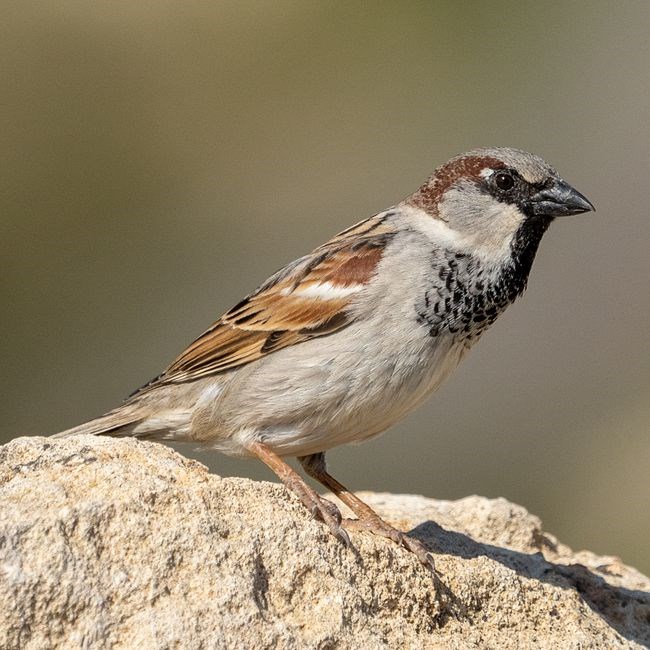
Colorado’s avian tapestry is woven through a mosaic of ecological zones that shift with elevation, latitude, and precipitation. At the highest elevations, the alpine tundra above the tree line offers a sparse, wind‑blown landscape where hardy species such as the White‑tailed Ptarmigan, Mountain Bluebird, and various snow‑dependent insects thrive. Descending into the subalpine and montane forests, dense conifer stands provide nesting cavities for woodpeckers, owls, and raptors, while understory shrubs support warblers and sparrows. The foothills and plains transition into mixed grasslands and shrub steppe, habitats that host the Great Plains Grackle, Western Tanager, and numerous ground‑foraging species. Southwest of the Front Range, the semi‑arid desert basin supports the iconic Sonoran Desert species, including the Gila Woodpecker and the striking California Condor, which rely on scattered oases and riparian corridors. Along rivers, streams, and man‑made reservoirs, wetlands and marshes create breeding grounds for waterfowl such as the Mallard, American Gull, and the rare Western Sandpiper. Each of these habitats is further divided by microhabitats—rock outcrops, sagebrush flats, and floodplain meadows—offering specialized niches for niche‑specialist species. Birds adapt to these varied habitats by altering migration timing, nesting sites, and foraging strategies, ensuring survival across Colorado’s diverse ecological zones. This dynamic interplay shapes speciesrange
Species Richness Statistics
Colorado hosts more than 400 recorded bird species, representing roughly 10 % of the United States’ avifauna. This high species richness results from the state’s elevation gradient, which creates over 20 distinct ecological zones, and from its position as a key stopover on the Pacific Flyway; The state’s 400‑plus species include 12 globally threatened species, 18 species of special concern, and 5 species listed as endangered or threatened by the U;S. Fish & Wildlife Service. Among these, the Western Sandpiper, the California Condor, and the Mexican Vulture are notable for their conservation status. In addition, Colorado is home to 35 species that are rare or accidental in the continental United States, such as the White‑winged Pigeon and the Black‑legged Plover. The state’s bird list is updated annually by the Colorado Audubon Society, which incorporates new records from citizen scientists, museum collections, and systematic surveys. This dynamic database not only tracks species presence but also monitors population trends, breeding success, and range shifts in response to climate change. The result is a robust, data‑rich resource that informs conservation planning, habitat management, and public education across the state. By comparing Colorado’s species counts with those of neighboring states—Utah, Wyoming, and Nebraska—researchers can assess regional biodiversity patterns and identify priority areas for protection. The state’s commitment to long‑term monitoring ensures that future generations will continue to benefit from the ecological services and aesthetic value that its diverse bird community provides. Continued monitoring will also detect shifts in species distributions, allowing managers to adapt conservation strategies in real time for all stakeholders managers!!.
Key Bird Families in Colorado
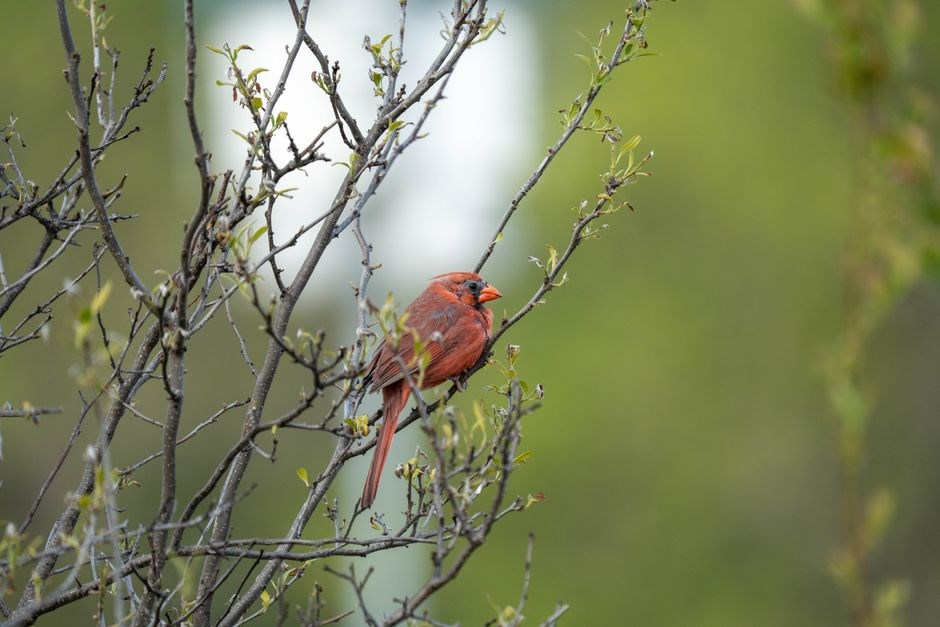
Waterfowl, raptors, and passerines dominate Colorado’s skies. Ducks thrive in alpine lakes, hawks soar over high plains, and songbirds flourish in forest understories. Each family showcases unique adaptations to the state’s diverse habitats.Birdwatchers love species
Waterfowl
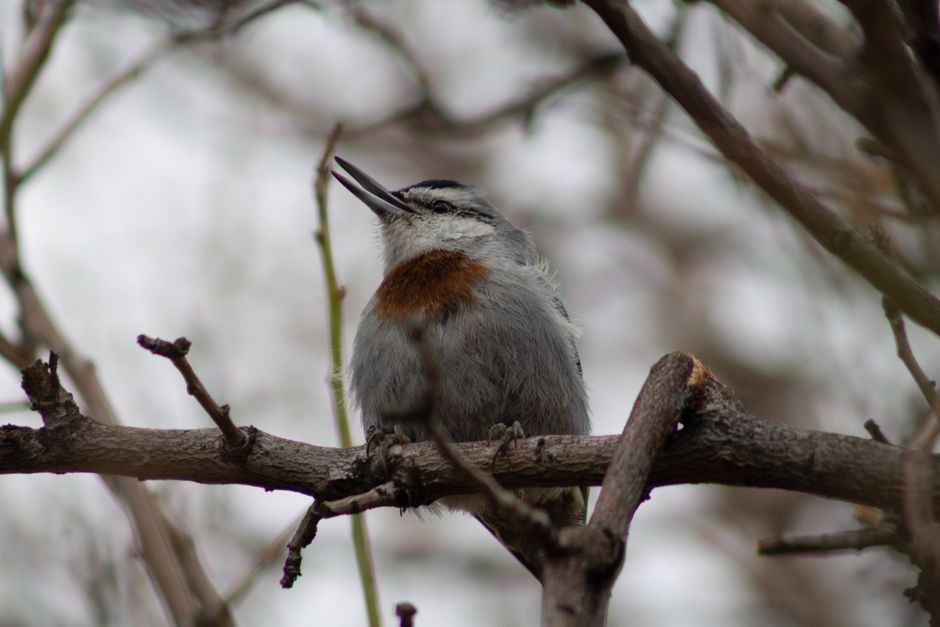
Colorado’s waterfowl community is a mosaic of resident and migratory species that thrive in the state’s alpine lakes, prairie wetlands, and river corridors. The most common resident is the American Black Duck (Anas rubripes), whose glossy slate‑gray plumage and distinctive white wing flash make it a favorite among birders. The Blue‑winged Teal (Anas discors) is often seen dabbling in shallow marshes, its bright yellow bill a key field mark. The American Wigeon (Mareca americana) and Wood Duck (Aix sponsa) also frequent Colorado’s water bodies, each with unique plumage patterns that aid in quick identification. During spring migration, Colorado’s high‑altitude wetlands attract flocks of Snow Geese, Ross Geese, and Greater Scaup, all of which rely on the state’s abundant aquatic vegetation for foraging. In the fall, the same corridors become a vital stopover for long‑distance travelers such as the Common Scoter and the American White Pelican, whose iridescent necks and heavy bodies stand out against the high‑altitude sky. Identification hinges on subtle differences in plumage, bill shape, and flight patterns. For instance, the Blue‑winged Teal features a blue patch on the wing tip, while the American Wigeon displays a distinctive white belly stripe in flight. The Wood Duck can be recognized by its striking orange bill and male’s iridescent green head. Field guides recommend using a binocular rangefinder to capture fine details, especially in high‑altitude glare conditions. Conservation efforts focus on preserving wetland habitats and mitigating water pollution. The Colorado Wetlands Initiative supports restoration projects that benefit waterfowl nesting and feeding grounds. Birders are encouraged to report sightings through the eBird platform, contributing to real‑time data that informs habitat management and species monitoring.
Raptors
Colorado’s skies host a tapestry of raptors, from the Golden Eagle (Aquila chrysaetos) that patrols the alpine ridges to the ubiquitous Cooper’s Hawk (Accipiter cooperii) that darts through the mesquite canyons. The state’s diverse topography—mountain plateaus, river valleys, and prairie grasslands—provides ideal nesting sites for the Bald Eagle (Haliaeetus leucocephalus), whose white head and powerful wings are unmistakable over the Colorado River. During spring migration, the western sky is streaked with the swift flight of the Peregrine Falcon (Falco peregrinus), whose black‑eyed raptor is a favorite of high‑altitude observers. Red‑shouldered Hawks (Buteo lineatus) and Sharp‑toothed Hawks (Accipiter striatus) are common in the foothills, while the elusive Ferruginous Hawk (Buteo regalis) can be spotted from the open mesas. Identification hinges on subtle plumage cues: the Golden Eagle’s dark brown back and pale throat, the Cooper’s Hawk’s barred tail and short, rounded wings, and the Peregrine’s distinctive “M” pattern on the tail. Field observers should use a 10×50 binoculars for detailed plumage work and a spotting scope for long‑range identification. Conservation efforts focus on protecting nesting habitats and mitigating lead poisoning from scavenged carrion. Birders are encouraged to report raptor sightings via the eBird platform, aiding in population monitoring and habitat management. Colorado Dept. collaborates to monitor raptor migration corridors, ensuring predators thrive across varied landscapes!.
Passerines
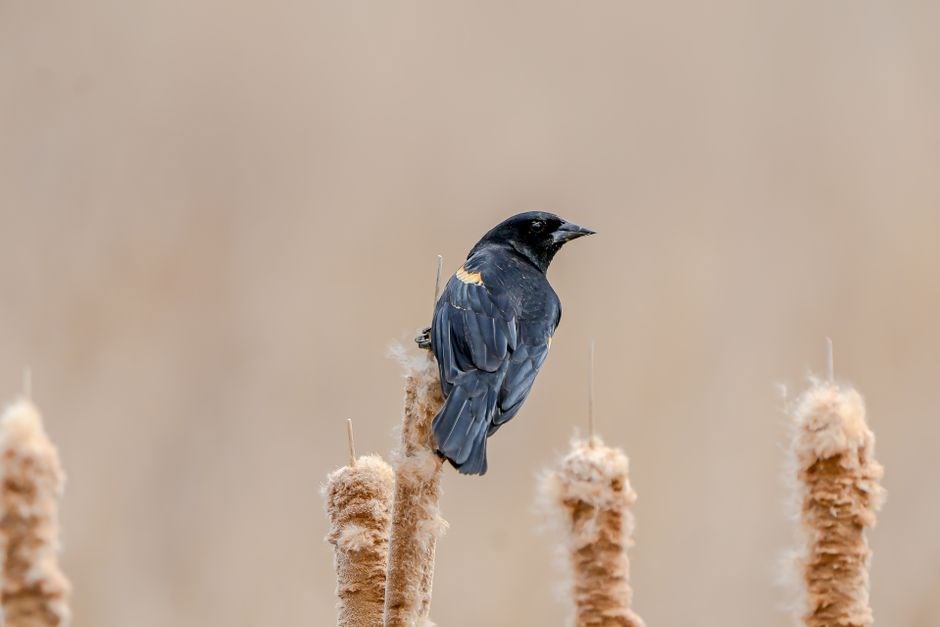
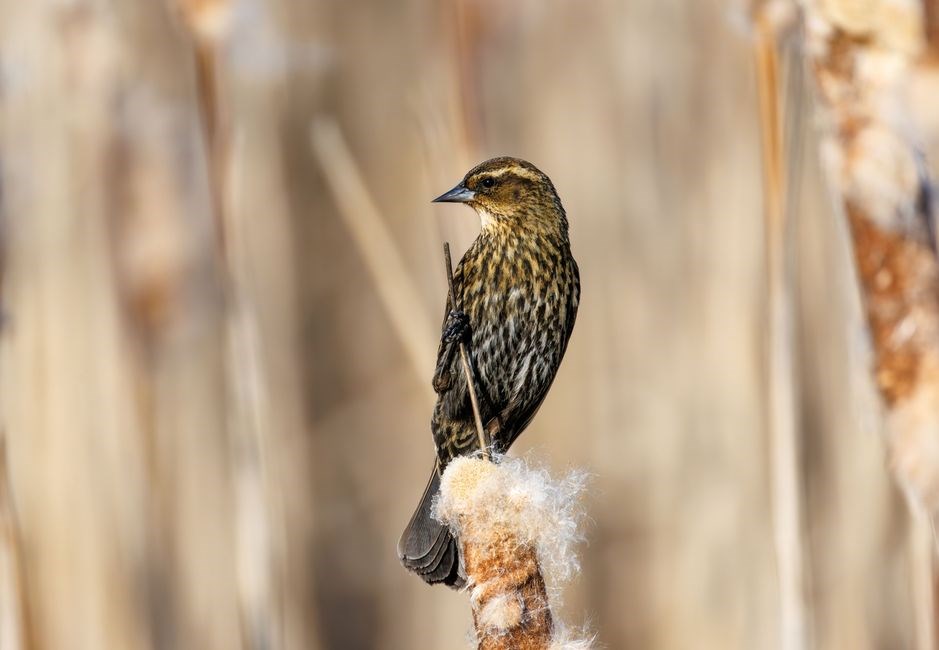
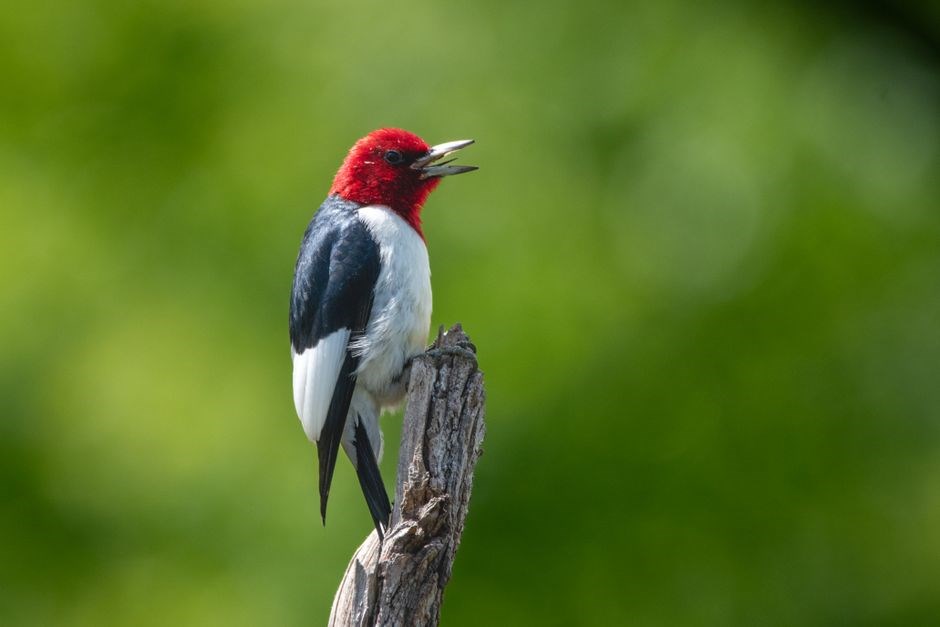
Colorado’s passerine community is diverse, with over 250 species inhabiting forests, grasslands, wetlands, and urban parks. The state’s elevation gradient—from low‑lying plains to high alpine zones—creates distinct ecological niches that support a wide array of songbirds, warblers, and sparrows. Key species include the Mountain Bluebird (Sialia currucoides), whose bright azure plumage signals spring arrival in the foothills, and the White‑cheeked Sparrow (Zonotrichia albicollis), a common sight in open fields and roadside thickets. The Black‑throated Sparrow (Amphispiza bilineata) and the Red‑winged Blackbird (Agelaius phoeniceus) frequent riparian corridors, foraging on insects and seeds. In the high desert, the Lark Bunting (Calamospiza melanocorys) and Canyon Wren (Catherpes mexicanus) thrive, adapting to sparse vegetation and harsh temperatures. Urban environments host the House Sparrow (Passer domesticus) and European Starling (Sturnus vulgaris). Identification relies on field marks: tail pattern of the Northern Flicker (Colaptes auratus), black‑eyed warbler’s bright yellow belly, and subtle wing bars of the Eastern Towhee (Pipilo erythrophthalmus). Seasonal plumage shifts are pronounced; male Red‑headed Woodpeckers (Melanerpes erythrocephalus) display vivid red crowns in summer, fading in winter. Conservation focuses on preserving native grasslands.
Seasonal Migration Patterns
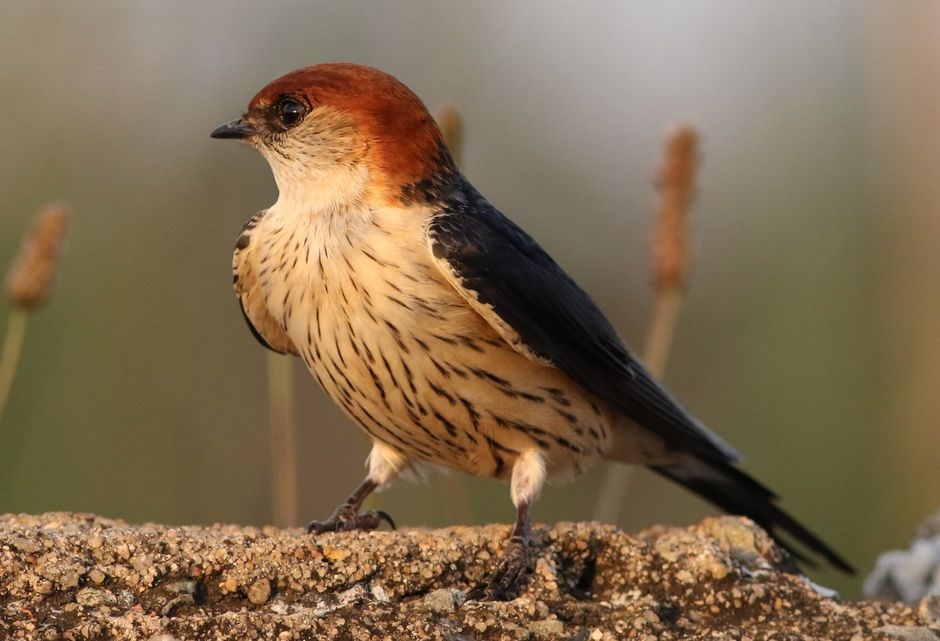
Colorado’s migratory birds traverse the Rockies each year. In spring, warblers and sparrows arrive, followed by raptors like golden eagles. Fall sees swallows, vireos, and many waterfowl head south, timing guided by temperature and food cues. Seasonal cues for timing.
Spring Migration Highlights
As snow melts, Colorado’s skies brighten with migratory songbirds and raptors. Early April brings a surge of warblers—Warbling Vireo, Yellow Warbler, and Black‑throated Blue Warbler—nesting along the Arkansas and Colorado rivers. Their trills signal winter’s end.
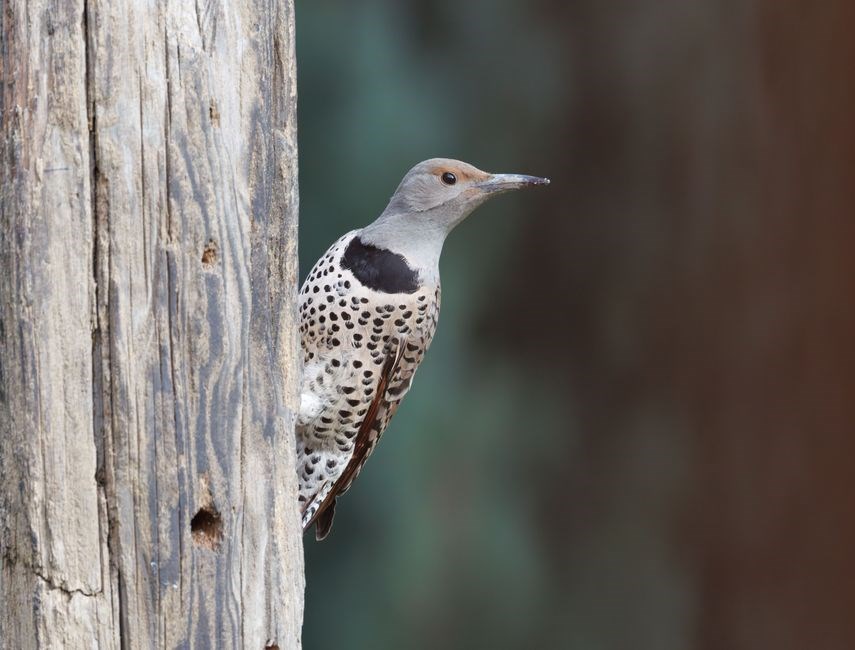
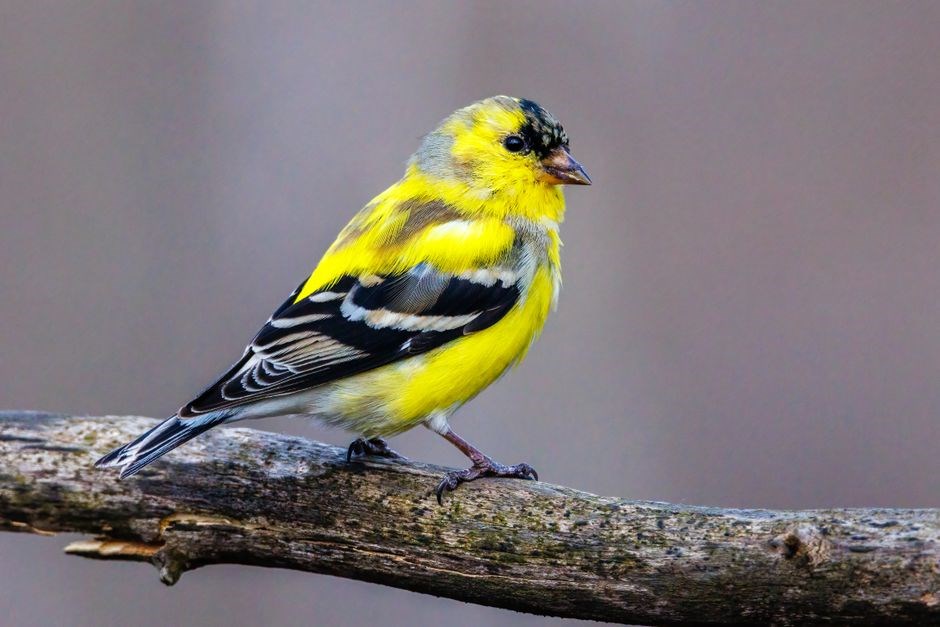
Soon after, sparrows and finches arrive. White‑throated, Song, and Golden‑crowned Sparrows find breeding sites in high‑elevation shrublands and pine stands, their bright plumage a favorite for early spring birders.
Raptors return dramatically. Golden Eagles soar above the San Juan Mountains; Red‑tailed and Cooper’s Hawks patrol valleys, feeding on burgeoning mammals and insects, restoring the food chain.
Arrival timing links to temperature shifts and insect prey. Longer days trigger hormonal changes, prompting northward migration. Early spring monsoons can accelerate or delay arrivals, making each year’s migration unique.
Birders enjoy a tapestry of colors, sounds, and behaviors. Following warblers, sparrows, and raptors reveals the dynamic interplay of climate, habitat, and avian life that defines Colorado’s natural heritage.
During this period, the state’s diverse ecosystems—alpine meadows, pine forests, and river valleys—provide essential stopover sites. Observers often record rare species such as the Mountain Bluebird and the Western Meadowlark, whose presence signals favorable conditions. Timing of peak abundance varies, with some species arriving as early as mid‑March and others lingering into late May and the birds fly high.
Fall Migration Highlights
As the Colorado summer wanes, the state’s skies become a corridor for thousands of birds heading south. From mid‑September through November, the western U.S. sees a dramatic influx of warblers, sparrows, and raptors that rely on the state’s diverse habitats as critical stop‑over sites.
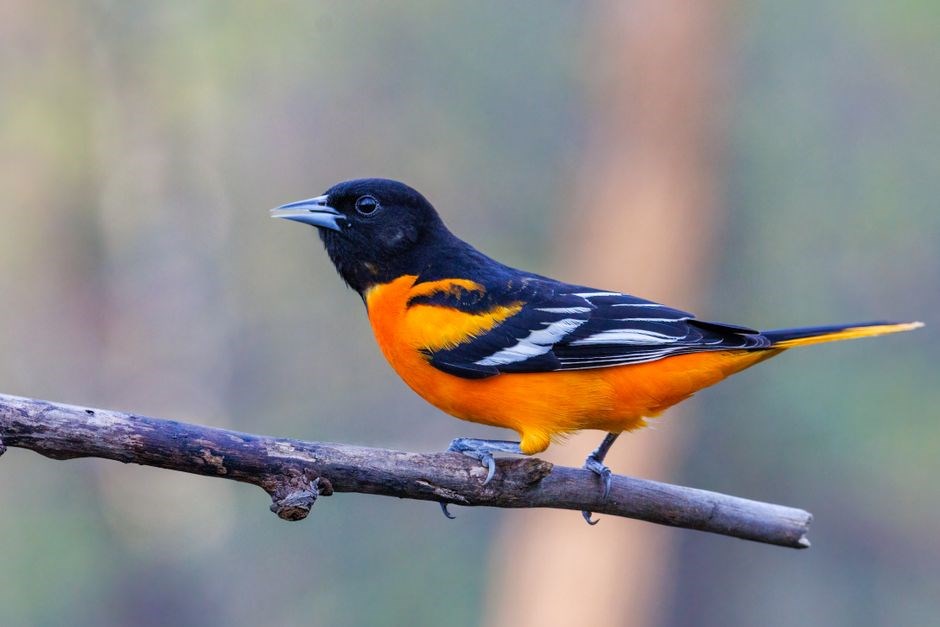
Raptors return in full force. Golden Eagles, Red‑tailed Hawks, and Cooper’s Hawks patrol the open plains, hunting mammals that emerge from winter dens. The soaring silhouettes of these birds against the late‑autumn sky are a hallmark of Colorado’s fall.
Timing of peak abundance is influenced by temperature, precipitation, and wind patterns. Early cold spells can trigger earlier departures from breeding grounds, while late monsoons may delay arrivals. Birders often track these shifts to predict the best viewing windows.
Fall migration also highlights the ecological importance of Colorado’s waterways. The Arkansas and Colorado rivers, along with man‑made reservoirs, provide vital foraging and resting spots for waterfowl and shorebirds. Observers frequently record species such as the American White Pelican, Mallard, and various sandpipers.
Overall, the fall season in Colorado offers a dynamic tableau of color, sound, and movement, underscoring the state’s role as a pivotal link in North America’s migratory network.
Birders note that the late‑autumn sky displays an array of crimson and gold hues, reflecting the changing foliage and signaling push of migratory flocks toward the south!!