
Welcome to the GE Home Alarm System manual․ This guide provides comprehensive instructions for installing, operating, and customizing your security system to ensure optimal performance and peace of mind․
Overview of the GE Home Alarm System
The GE Home Alarm System is a trusted security solution designed to protect homes and families․ It allows you to control sensors and accessories from a central location, offering customizable zones, notification modes, and arming options․ With support for up to 16 sensors, the system is scalable to meet various security needs․ It provides features like chime, alert, and off modes, ensuring flexibility in monitoring your home․ This manual guides users through installation, operation, and customization, ensuring optimal performance and peace of mind․ By following the instructions, you can maximize the system’s capabilities and enjoy enhanced home security․
Importance of Reading the Manual
Reading the manual is crucial for understanding and optimizing your GE Home Alarm System․ It provides detailed instructions for installation, operation, and troubleshooting, ensuring you get the most out of your security setup․ The manual outlines essential features, customization options, and maintenance tips, helping you tailor the system to your needs․ By following the guidelines, you can avoid common issues and ensure reliable performance․ Familiarizing yourself with the manual empowers you to use advanced functions confidently, enhancing your home’s security and your peace of mind․ It’s a key resource for both new and experienced users, offering clear guidance for every aspect of system operation․
System Components and Features
The GE Home Alarm System includes wireless sensors, keypads, and a central control panel․ It offers customizable zones, notification modes, and supports up to 16 sensors for enhanced security․
Types of Sensors and Accessories
The GE Home Alarm System offers a variety of sensors to enhance home security․ These include door and window sensors, motion detectors, and smoke alarms․ Accessories like key fobs and remote controls provide convenience․ The system supports up to 16 wireless sensors, ensuring comprehensive coverage․ Each sensor is designed for specific purposes, such as detecting intruders or monitoring environmental changes․ Accessories like sirens and strobe lights can be integrated to alert during breaches․ These components work seamlessly with the control panel, offering a robust and expandable security solution tailored to individual needs․ Proper installation and maintenance ensure optimal functionality․
Key Features of the GE Home Alarm System
The GE Home Alarm System offers advanced security features designed to protect homes and families․ It supports up to 16 wireless sensors, providing comprehensive coverage․ Customizable zones allow users to tailor alerts for specific areas, while notification modes (chime, alert, off) offer flexibility․ The system includes arming options such as Home and Away modes with entry/exit delays․ Remote access and smart home integration capabilities enhance convenience․ Expandability ensures the system can grow with user needs, supporting additional sensors and accessories․ These features combine to deliver a robust, user-friendly security solution, providing peace of mind and reliable protection for any home environment․
Customizable Zones and Notification Modes
The GE Home Alarm System allows users to create customizable zones, enabling precise control over different areas of their home․ Each zone can be configured independently, ensuring tailored security based on specific needs․ Notification modes, including chime, alert, and off, provide flexibility in how alerts are delivered․ Chime mode offers subtle notifications for everyday activities, while alert mode sounds an alarm during suspicious events․ The system also supports arming options such as Home and Away modes, with adjustable delays to accommodate user routines․ These features ensure a personalized security experience, enhancing convenience and effectiveness while minimizing false alarms․ Customization options empower users to adapt the system to their lifestyle seamlessly․

Installation and Setup
Install your GE Home Alarm System by following the manual’s step-by-step guide․ Begin with the control panel, then add sensors and accessories, ensuring optimal placement for reliability and performance․
Planning the Installation
Before installing your GE Home Alarm System, assess your property to determine the optimal placement of sensors and accessories․ Identify entry points, high-value areas, and zones requiring surveillance․ Decide on the number of sensors needed, considering doors, windows, and motion detection․ Plan the layout of your control panel and ensure it is centrally located for easy access․ Customize zones to match your home’s layout, such as designating areas for the garage, basement, or outdoor spaces․ Review the manual to understand notification modes and delays, ensuring they align with your security needs․ Proper planning ensures seamless installation and maximizes system efficiency․
Step-by-Step Installation Guide
Troubleshooting Common Installation Issues
Common installation issues include sensor misalignment, power connectivity problems, and zone configuration errors․ Ensure all sensors are properly aligned and synced with the control panel․ Verify the control panel is connected to a stable power source and check for loose wires․ If sensors fail to respond, restart the system and re-sync them․ For zone configuration issues, review the manual to ensure correct programming․ Test each sensor individually to identify faults․ Refer to the troubleshooting section for detailed solutions or contact customer support for assistance․ Regularly updating system software can also resolve connectivity or performance issues․
Understanding the Control Panel
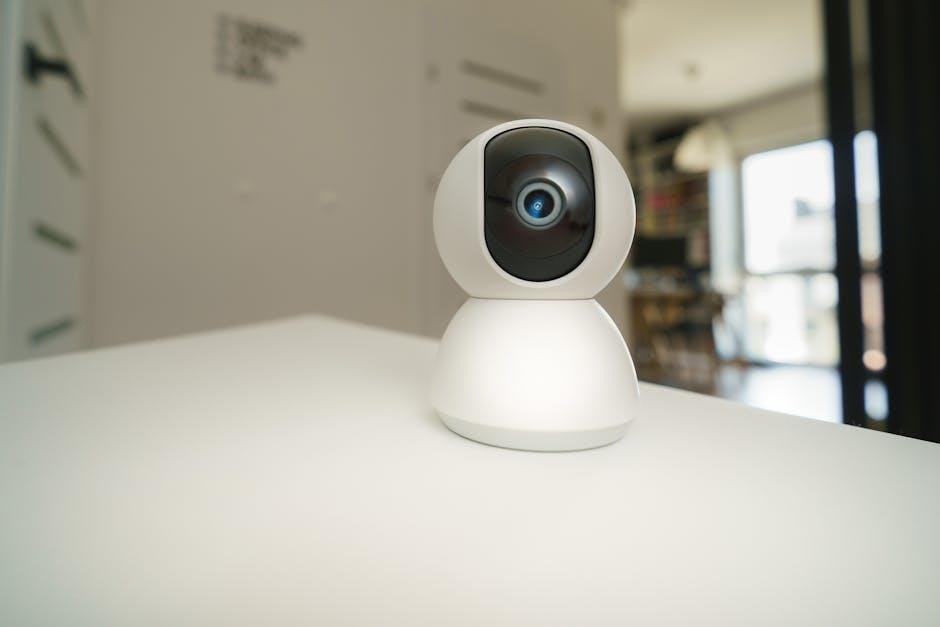
The control panel is the central command center of your GE Home Alarm System․ It features an LCD display and buttons for easy navigation․ Use it to monitor zones, arm/disarm the system, and access advanced settings; Refer to the manual for detailed guidance on maximizing its functionality․
Basic Operations of the Control Panel
The control panel features an LCD display and intuitive buttons for easy navigation․ The LCD screen shows system status, zone designations, and error messages․ Use the navigation buttons to scroll through menus and select options․ The “Arm” button activates the system in Home or Away mode, while the “Disarm” button deactivates it using your access code․ Panic buttons trigger immediate alerts for emergencies․ The “Chime” button toggles door chime notifications․ Refer to the manual for step-by-step guidance on these operations to ensure smooth system management and optimal security for your home․
Arming and Disarming the System
Arming the system is done by entering your access code and pressing the “Arm” button․ Choose between Home mode, which activates interior sensors, and Away mode, which enables all sensors․ Disarm by re-entering your code․ The system allows customizable delays, giving you time to exit or re-enter without triggering alarms․ Ensure all users know the code and arming procedures to avoid false alarms․ Refer to the manual for detailed instructions on arming modes and delay settings to tailor the system to your lifestyle and security needs․
Advanced Configuration Options
The GE Home Alarm System offers advanced configuration options to tailor security settings to your preferences․ Users can create custom profiles, adjusting notification modes and delay times for various zones․ The system supports smart home integration, enabling seamless control through compatible devices․ Additionally, advanced features like camera integration and custom alert protocols enhance security and convenience․ These settings ensure a personalized experience, allowing you to fine-tune your system for optimal functionality and peace of mind․

Sensors and Accessories
The GE Home Alarm System includes door and window sensors, motion detectors, and smoke alarms to monitor your home․ Accessories like keypads and remotes enhance functionality and convenience, ensuring comprehensive security coverage․
Types of Sensors Available
The GE Home Alarm System offers a variety of sensors to meet different security needs․ These include door and window sensors that detect openings, motion detectors for indoor and outdoor areas, smoke detectors that alert to potential fires, and glass break sensors for added protection․ Each sensor is designed to integrate seamlessly with the system, providing reliable monitoring and alerts․ Additional accessories like key fobs and panic buttons offer convenience and quick system control․ With these components, users can create a tailored security setup that addresses specific vulnerabilities and enhances overall home safety․
Installing and Maintaining Sensors
Installing sensors for the GE Home Alarm System requires careful placement to ensure optimal performance․ Door and window sensors should be aligned properly to detect openings, while motion detectors are best placed in high-traffic areas․ Smoke detectors should be installed on ceilings, away from cooking areas to avoid false alarms․ Regular maintenance involves cleaning sensors to prevent dust buildup and checking battery levels for wireless units․ Troubleshooting common issues, such as faulty alignments or low batteries, can often resolve system malfunctions․ Refer to the manual for specific installation instructions and maintenance schedules to ensure your system operates reliably and provides consistent security coverage․ Proper care extends sensor lifespan and ensures accurate alerts․ Always follow the manufacturer’s guidelines for replacing batteries and updating settings․ Regular inspections help identify and address potential issues before they escalate, ensuring uninterrupted protection for your home and family․ By adhering to these maintenance routines, you can maximize the efficiency and longevity of your GE Home Alarm System sensors․ This proactive approach not only enhances security but also provides peace of mind, knowing your system is functioning at its best․
Zones and Partitions
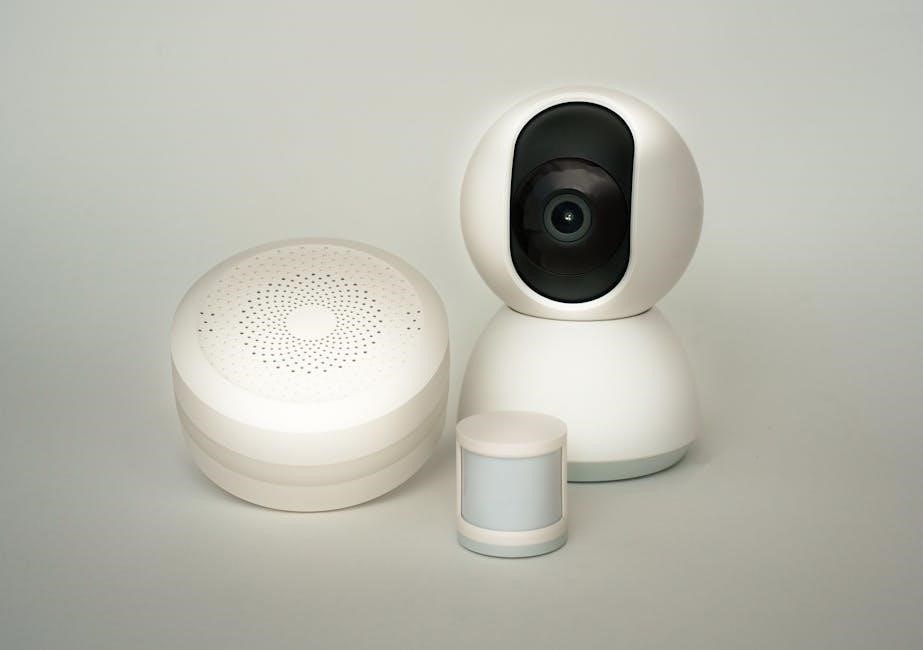
Zones and partitions let users divide their property into customizable areas with unique home security settings, enhancing system flexibility and tailored protection for different spaces․
Creating and Managing Zones
Creating and managing zones in the GE Home Alarm System enhances security by allowing users to define specific areas with unique settings; Zones can be customized to monitor doors, windows, or motion detectors, ensuring tailored protection․ Users can assign zone IDs and labels through the control panel, making it easy to identify triggered areas․ The system supports multiple zones, enabling precise control over different parts of the property․ Regularly updating zone configurations ensures optimal performance․ This feature is essential for adapting the system to changing security needs, providing peace of mind and reliable protection for your home and family․
Understanding Partitions in the System
Partitions in the GE Home Alarm System allow users to divide their security setup into independent areas, each with its own arming and disarming settings․ This feature is ideal for large properties or shared spaces, enabling selective security control․ Each partition operates separately, ensuring flexibility in managing different zones or areas․ Users can arm or disarm specific partitions without affecting others, providing tailored security solutions․ Partitions also support multiple user profiles, allowing authorized individuals to access and control designated areas․ This advanced feature enhances system customization and adapts to diverse security needs, offering a robust and adaptable solution for comprehensive home protection․

Monitoring and Notifications
The GE Home Alarm System offers real-time monitoring and customizable notifications, ensuring prompt alerts for security breaches or system issues․ Users can set up emergency response protocols for enhanced safety․
Types of Notifications and Alerts
The GE Home Alarm System provides various types of notifications and alerts to keep you informed․ These include chime alerts for door and window activity, alert notifications for potential breaches, and system status updates for low battery warnings or connectivity issues․ Users can customize these notifications to suit their preferences, ensuring they only receive the most relevant alerts․ Additionally, the system supports emergency response protocols, enabling rapid response in critical situations․ By configuring these settings, homeowners can enhance their security and enjoy peace of mind with tailored alerts and reliable monitoring․
Setting Up Emergency Response Protocols
Setting up emergency response protocols ensures rapid assistance during critical situations․ The GE Home Alarm System allows you to configure emergency contacts and response delays, ensuring help arrives quickly․ Users can designate primary and secondary emergency contacts, enabling authorities to reach the right person․ The system also supports customizable response delays, giving you time to disarm the system if triggered accidentally․ Additionally, the control panel provides direct emergency buttons for immediate alerts․ By programming these protocols, homeowners can ensure a swift and reliable response to emergencies, enhancing their safety and security․ Regular testing of these settings is recommended to confirm functionality and preparedness․

Customization
The GE Home Alarm System offers adjustable settings for notification modes, delays, and user profiles, enabling tailored security solutions to meet individual household needs and preferences effectively․
Customizing User Profiles and Settings
The GE Home Alarm System allows users to create unique profiles for each family member, ensuring personalized security experiences․ Assign distinct access codes and customize notification preferences to suit individual needs․ Easily tailor settings like chime modes, alert tones, and silent notifications for specific zones․ Adjust delay times for arming and disarming to accommodate different lifestyles․ Access these features through the control panel or remote app, enabling seamless adjustments․ Customization ensures enhanced security, convenience, and peace of mind for all users․ Regular updates and profile management keep your system optimized and aligned with your household’s evolving needs, providing a robust and adaptable security solution․
Adjusting Notification Modes and Delays
The GE Home Alarm System offers flexible notification modes to suit your preferences․ Choose from chime, alert, or off settings for different zones, ensuring you receive only the alerts you need․ Delays for arming and disarming can also be customized to accommodate your lifestyle․ For instance, extend the exit delay to give yourself more time to leave the premises or reduce the entry delay for quicker re-entry․ These settings can be adjusted through the control panel or the remote app, allowing you to tailor notifications and delays to enhance convenience and security․ Properly configuring these features helps minimize false alarms and ensures a seamless user experience while maintaining robust protection for your home․

Advanced Features
The GE Home Alarm System offers smart home integration, enabling seamless control via voice assistants or apps․ Advanced features include security camera compatibility and next-gen fire detection capabilities․
Smart Home Integration Capabilities
The GE Home Alarm System seamlessly integrates with popular smart home platforms, allowing users to control security settings, sensors, and cameras via voice commands or mobile apps․ This advanced integration enhances convenience by enabling users to monitor their home security from anywhere․ Compatibility with voice assistants like Amazon Alexa and Google Home ensures a hands-free experience, while app-based control provides real-time notifications and system adjustments․ This feature-rich integration capability ensures a modern, connected security solution tailored to smart home environments․
Using Security Cameras with the System
The GE Home Alarm System supports seamless integration with security cameras, enhancing your home’s surveillance capabilities․ Cameras can be connected wirelessly or via Ethernet, offering real-time monitoring and recording options․ Motion-triggered alerts notify you of activity, and video feeds can be accessed remotely through the system’s mobile app․ Customizable settings allow you to define detection zones and sensitivity levels, reducing false alerts․ Recorded footage can be stored locally or in the cloud, depending on your preference․ Advanced camera features, such as night vision and two-way audio, further elevate your security experience․ This integration ensures comprehensive coverage and peace of mind․

Maintenance and Troubleshooting
Regularly inspect sensors, clean detectors, and update software to ensure optimal performance․ Troubleshoot common issues like sensor malfunctions or connectivity problems by referring to the manual․
Regular Maintenance Tips
Regular maintenance is crucial for ensuring your GE Home Alarm System operates effectively․ Start by inspecting all sensors and detectors monthly to ensure they are free from dust and debris․ Clean smoke and carbon monoxide detectors using a soft brush or vacuum cleaner to maintain sensitivity․ Additionally, test all sensors by triggering them to confirm they communicate properly with the control panel․ Check the system’s backup battery every six months and replace it as needed․ Update the system software whenever new versions are released to benefit from enhanced features and security patches․ Finally, review the manual for specific maintenance recommendations tailored to your system components․
Troubleshooting Common System Issues
If your GE Home Alarm System encounters issues, start by checking sensor connections and ensuring they are free from obstructions․ For false alarms, verify trigger sources and adjust sensitivity settings if needed․ If the control panel displays an error code, consult the manual for specific solutions․ Power-related problems may require resetting the system or replacing backup batteries․ Communication issues between sensors and the panel can often be resolved by restarting the system or re-syncing devices․ Regularly update software to fix bugs and improve performance․ For persistent problems, refer to the troubleshooting section in the manual or contact customer support for assistance․

Warranty and Support
The GE Home Alarm System is backed by a comprehensive warranty, offering coverage for parts and labor․ Dedicated customer support is available to address any inquiries or concerns, ensuring reliable assistance and peace of mind for users․
Understanding the Warranty Offered
The GE Home Alarm System comes with a comprehensive warranty designed to protect your investment․ The warranty typically covers parts and labor for a specified period, ensuring that any manufacturing defects or malfunctions are addressed promptly․ It is essential to review the warranty terms to understand the coverage duration, conditions, and limitations․ Proper registration and maintenance of the system are often required to maintain warranty validity․ Additionally, the warranty may include provisions for repairs, replacements, or refunds, depending on the nature of the issue․ Always refer to the official documentation or contact customer support for detailed warranty information․
Accessing Customer Support and Resources
GE provides robust customer support and resources to ensure seamless operation of your home alarm system․ Online portals offer downloadable manuals, troubleshooting guides, and FAQs to address common queries․ Dedicated customer service teams are available via phone, email, or live chat to assist with technical issues or system-related questions․ Additionally, GE offers extensive online documentation, including user manuals and installation guides, to help users optimize their system․ For specific models, such as the Simon XT, detailed resources are available to guide users through advanced features and configurations․ Regular software updates and maintenance tips are also accessible to keep your system up-to-date and functioning at its best․
The GE Home Alarm System offers reliable protection and peace of mind, with advanced features and comprehensive support to ensure your home and family remain secure at all times․
Final Tips for Optimal System Performance
To maximize your GE Home Alarm System’s effectiveness, ensure all sensors are clean and free from obstructions․ Regularly update software and firmware to access the latest features and security patches․ Test the system monthly to verify all components are functioning correctly․ Familiarize all household members with the control panel and emergency protocols to avoid false alarms․ Customize zones and notifications to suit your lifestyle, and consider integrating smart home devices for enhanced convenience․ Finally, keep emergency contact information up to date and review system activity logs periodically for peace of mind and optimal protection․
Resources for Further Assistance
For additional support, visit the official GE Security website, where you can download PDF manuals, user guides, and troubleshooting resources․ Explore the GE Simon XT manual for detailed instructions on advanced features․ Check out GE’s customer support page for contact information, FAQs, and video tutorials․ Join online forums or community groups dedicated to GE Home Alarm System users to share tips and solutions․ Contact GE’s customer service team directly for personalized assistance with your system․ Refer to the troubleshooting section in your manual for common issues and quick fixes․ Stay updated with GE’s latest software updates and security enhancements to ensure your system remains efficient and secure․