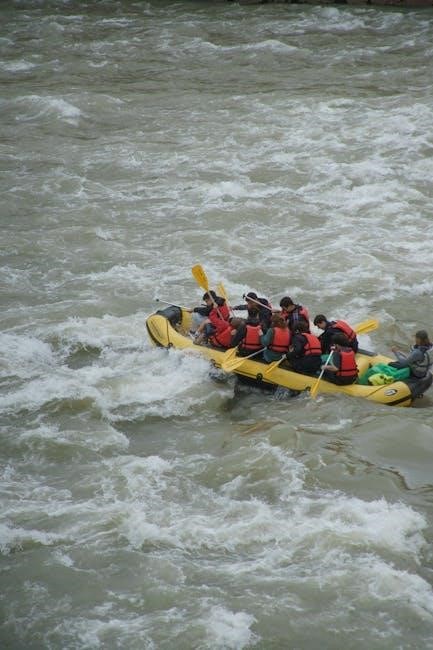
Raft guiding involves expertly navigating and ensuring passenger safety on a floating structure, demanding knowledge of river dynamics and emergency protocols.
What is a Raft?
A raft is fundamentally a flat structure designed for flotation, traditionally constructed from buoyant materials like wood or, increasingly, inflatable components. These versatile platforms enable travel across water bodies, offering a unique experience. Rafts vary significantly in size, construction, and intended use – from simple, makeshift vessels to robust, engineered designs capable of carrying substantial loads. They distribute weight over a larger surface area, allowing for stable navigation, and are essential for recreational activities and even foundational engineering.
The Purpose of a Raft Guide
A raft guide’s primary role is ensuring the safety and enjoyment of passengers during a river journey. This encompasses expert navigation, skillful maneuvering through currents and obstacles, and proactive risk assessment. Guides provide essential safety briefings, demonstrate proper paddling techniques, and manage potential emergencies like capsizing. They also share knowledge about the river’s ecosystem and history, enhancing the overall experience while upholding responsible environmental practices and adhering to all regulations.
Raft Types and Construction
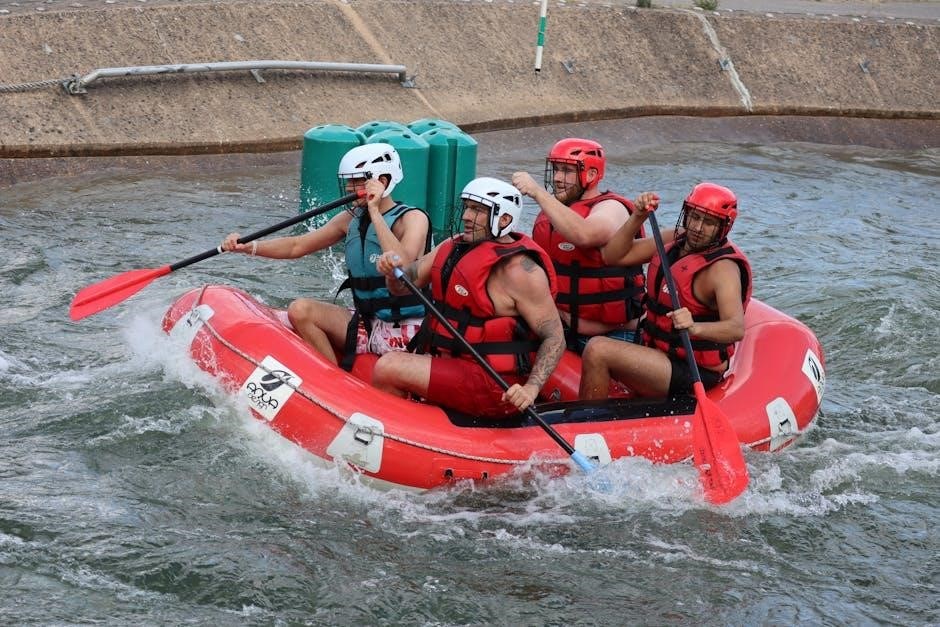
Rafts vary significantly, from inflatable models offering portability to robust wooden or pontoon designs prioritizing stability and load-bearing capacity.
Inflatable Rafts: Advantages and Disadvantages
Inflatable rafts present a compelling balance of portability and affordability, making them ideal for recreational use and swift deployment. Their lightweight nature simplifies transport and storage, while their inherent buoyancy offers excellent stability. However, they are susceptible to punctures and abrasions, requiring careful handling and regular inspection.
Compared to rigid structures, inflatable rafts generally have lower weight capacities and can be more affected by wind. Despite these drawbacks, advancements in materials are continually enhancing their durability and performance, making them a popular choice for many rafting adventures.
Wooden Rafts: Building and Considerations
Constructing wooden rafts demands careful selection of buoyant, rot-resistant timber, alongside robust joinery techniques to ensure structural integrity. Utilizing a cordless drill and strong fasteners significantly speeds up the build and enhances overall raft strength, particularly when incorporating a wooden deck.
However, wood is heavier than inflatable materials and requires ongoing maintenance to prevent waterlogging and decay. Proper sealing and regular inspections are crucial for longevity and safe operation on the water.
Pontoon Rafts: Stability and Capacity
Pontoon rafts excel in stability due to their wide base and distributed buoyancy, offering a secure platform for passengers and gear. Capacity is directly linked to the number and size of pontoons used in construction, demanding careful calculation to avoid overloading.
These rafts are well-suited for calmer waters and can be customized with decks and accessories, though maintaining balance remains paramount. Weight distribution is key to preventing capsizing.
Materials Used in Raft Construction
Raft construction utilizes diverse materials, each offering unique properties. Inflatable rafts commonly employ durable PVC or Hypalon for buoyancy, while wooden rafts rely on treated lumber for structural integrity. Pontoon rafts often feature rotationally molded polyethylene for its strength and resistance to impact.
Fasteners, like screws and bolts, are crucial for securing components, and decking may incorporate plywood or composite materials. Selecting appropriate materials is vital for safety and longevity.
Planning Your Raft Journey
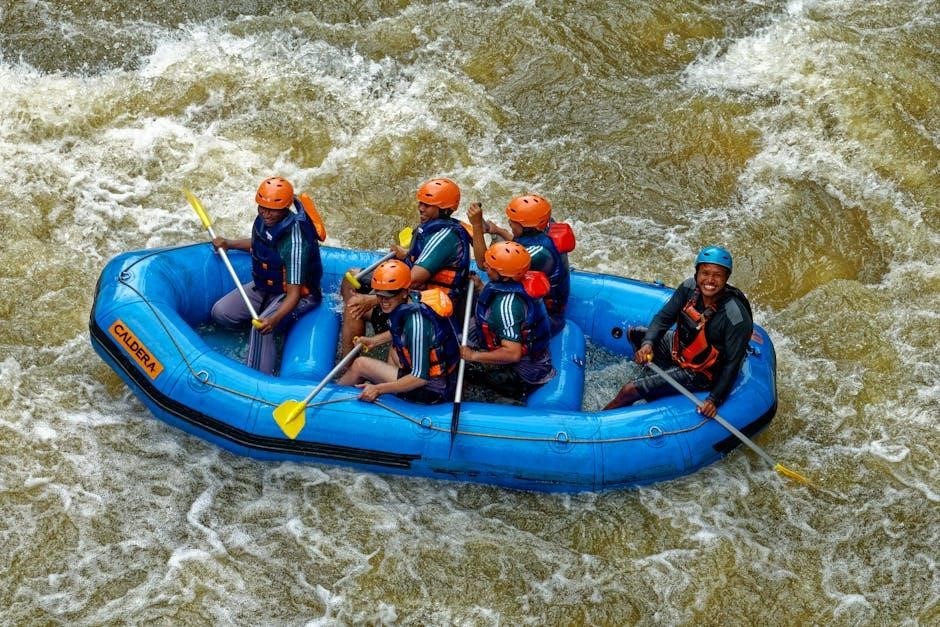
Careful planning is essential, encompassing route assessment, weather monitoring, and a comprehensive equipment checklist to guarantee a safe and enjoyable rafting experience.
Route Selection and Assessment
Selecting the optimal raft route demands a thorough assessment of river conditions, including current strength, potential obstacles like rocks or fallen trees, and anticipated water levels. Guides must meticulously scout the path, identifying safe passage points and potential hazards.
Consideration should be given to the group’s skill level, ensuring the chosen route aligns with their capabilities. Detailed maps and prior knowledge of the river are invaluable tools, alongside dynamic risk assessment throughout the journey.
Weather Considerations and Safety
Weather profoundly impacts raft safety. Guides must monitor forecasts for changing conditions – sudden storms, rising water levels, or temperature shifts. Cold water immersion poses a significant risk, necessitating appropriate gear and awareness of hypothermia symptoms. High winds can destabilize rafts, demanding adjusted navigation.
A proactive approach to weather monitoring, coupled with contingency plans for adverse conditions, is crucial for ensuring a safe and enjoyable rafting experience for all participants.
Essential Equipment Checklist
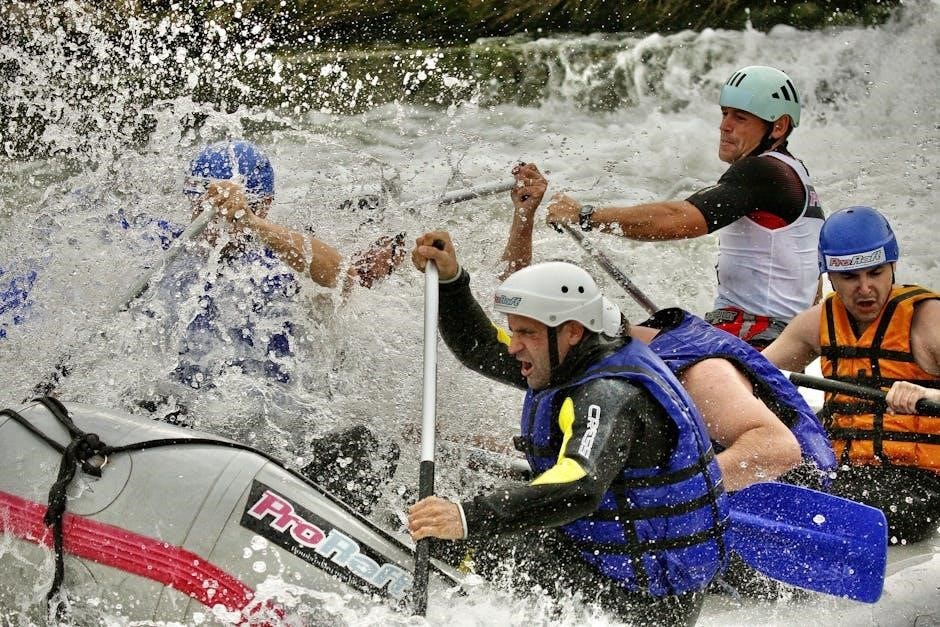
A comprehensive checklist is vital for raft guiding. This includes properly fitted Personal Flotation Devices (PFDs) for everyone, helmets meeting safety standards, and appropriate footwear. Guides require throw ropes, first-aid kits, repair tools, and communication devices. Navigation tools like maps and compasses are essential. Don’t forget signaling devices, spare paddles, and dry bags for personal items. Regular inspection and maintenance of all equipment are paramount for a safe journey.
Raft Building Techniques
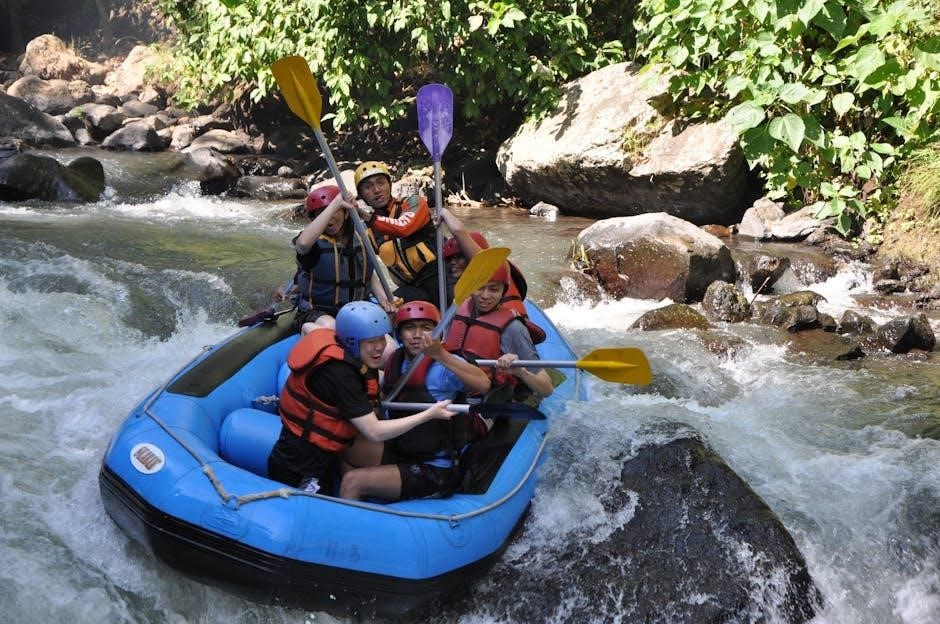
Effective raft construction relies on secure component fastening, optimizing balance for stability, and thoughtfully adding features like decks for enhanced functionality.
Securing Components with Fasteners
Robust fastening is paramount for raft integrity. Utilizing a cordless drill alongside strong fasteners dramatically accelerates the build process and significantly enhances the raft’s overall strength, particularly when incorporating a wooden deck. Prioritize fasteners appropriate for the materials joined – stainless steel is ideal for resisting corrosion.
Ensure fasteners are driven flush or recessed to prevent snagging hazards. Regularly inspect all connections before and during use, tightening as needed. Proper fastening minimizes component shifting, contributing to a safer and more durable raft structure.
Optimizing Raft Balance and Stability
Achieving optimal balance is crucial for a safe and enjoyable rafting experience. Distribute weight evenly across the raft’s surface, avoiding concentration in any single area. Consider the placement of passengers and equipment to maintain a low center of gravity.
Avoid adding accessories that compromise balance or safety. Careful equipment placement prevents injury or damage. A well-balanced raft responds predictably to currents, enhancing maneuverability and reducing the risk of capsizing during your journey.
Adding Features: Decks and Accessories
Enhancements like wooden decks, secured with a cordless drill and strong fasteners, can significantly improve raft functionality and comfort. Teams often add camping chairs, banners, or themed accessories to personalize the experience.
However, prioritize safety; ensure additions don’t compromise balance or maneuverability. Thoughtful features elevate enjoyment, but must not detract from the raft’s core stability or the guide’s control during navigation.
Safety Precautions While Rafting
Prioritize safety by adhering to weight limits, wearing helmets and proper footwear, and diligently avoiding hazards like unsecured ropes during rafting excursions.
Weight Limits and Capacity Management
Effective raft guiding necessitates strict adherence to established weight limits to maintain stability and prevent capsizing. Generally, no more than eight adults should occupy a single raft. For sessions involving individuals under eighteen, utilizing standard raft designs is crucial.
Session leads must dynamically assess custom designs before launching, ensuring they meet safety standards. Overloading compromises maneuverability and increases the risk of accidents, demanding vigilant capacity management throughout the journey. Prioritizing these limits is paramount for a secure experience.
Helmet Usage and Footwear Requirements
Essential raft guiding safety protocols mandate consistent helmet usage for all participants throughout the entire rafting experience, including dismantling procedures. This protects against head injuries from impacts with the raft or surrounding obstacles.
Closed-toe footwear is also non-negotiable, safeguarding feet from sharp objects and providing secure footing. Briefing participants on avoiding placing hands or feet under ropes, and discouraging boarding by pulling on ropes, further minimizes injury risks.
Avoiding Hazards: Rope Safety
Rope safety is paramount when guiding a raft; participants must be thoroughly briefed on potential hazards. Specifically, instruct everyone to avoid placing hands or feet underneath any ropes connected to the raft structure.
Discourage boarding the raft by pulling directly on the ropes, as this can lead to instability or injury. Maintaining awareness of rope positioning and proper handling techniques significantly reduces the risk of accidents during the rafting journey.
Raft Foundation Principles (Related to Structural Rafts)
Raft foundations distribute loads across larger areas, crucial for weak soils or expansive ground, preventing settlement and ensuring structural integrity.
Low Bearing Capacity Soil Solutions
When soil bearing capacity is low, raft foundations excel at spreading structural loads over a significantly wider area. This minimizes stress on the underlying ground, effectively reducing the risk of differential or overall settlement. Employing a raft foundation transforms the soil mass into a unified system, working in conjunction with the structure above. Careful consideration of soil properties is paramount; ground improvement techniques, like compaction or soil stabilization, may be integrated to further enhance load-bearing capabilities before raft construction begins, ensuring long-term stability.
Expansive Soil Considerations
Expansive soils pose unique challenges due to volume changes with moisture content. Raft foundations mitigate differential settlement by bridging over localized soil movements. Designing for expansive soils requires careful analysis of potential swell and shrink, incorporating features like reinforced concrete to resist cracking. Moisture control measures, such as drainage systems and vapor barriers, are crucial. Proper detailing and construction practices are essential to maintain the raft’s integrity and prevent long-term structural damage caused by soil expansion and contraction.
Load Distribution and Settlement Prevention
Raft foundations excel at distributing structural loads over a broad area, minimizing stress on underlying soil. This prevents excessive, uneven settlement, crucial for building stability. The raft’s rigidity and large surface area act as a unified support system. Careful load calculations and soil investigations are vital for effective distribution. Proper compaction of fill material beneath the raft further enhances settlement control, ensuring long-term structural performance and preventing potential damage to the supported structure.
Risk Assessment and Management
Thorough risk assessments are vital, dynamically evaluating custom raft designs and limiting group sizes to eight adults per raft for safety.
Dynamic Risk Assessment for Custom Designs
Before launching, session leads must meticulously assess any non-standard raft designs. This involves evaluating structural integrity, stability, and potential hazards introduced by modifications. Considerations include load distribution, attachment points, and the impact of added features like decks or accessories.
The assessment should account for varying river conditions and participant skill levels, adjusting safety protocols accordingly. A documented review process ensures all risks are identified and mitigated before the raft enters the water, prioritizing participant well-being.
Group Size Limitations
Maintaining safe ratios is paramount; no more than eight adults should occupy a single raft. For sessions involving individuals under 18, exclusively utilize standard, pre-approved raft designs. While adult groups may employ custom builds, these require a thorough dynamic risk assessment by the session lead prior to any water activity.
Limiting group size ensures effective control, facilitates swift emergency responses, and minimizes the risk of overcrowding, contributing to a secure and enjoyable rafting experience for everyone involved.
Session Lead Responsibilities
Session leads bear crucial responsibility for pre-activity risk assessments, particularly when custom raft designs are employed. They must dynamically evaluate designs before launching, ensuring adherence to safety standards. Furthermore, leads oversee a maximum of two rafts per session, maintaining vigilant supervision.
Effective communication, proactive hazard identification, and swift response to changing conditions are key duties, guaranteeing a secure and well-managed rafting experience for all participants.
Advanced Raft Features
Innovative additions, like ladder systems for island access, enhance usability and minimize the raft’s footprint, providing convenient and safe access points.
Ladder Systems for Island Access
Strategically placed ladder systems dramatically improve access to islands or riverbanks from your raft, offering a secure and convenient way to disembark and explore. These systems typically involve just two poles and a ladder, minimizing the raft’s footprint and potential for damage.
This design allows for easy reaching of elevated areas, enhancing the overall experience. Prioritize robust construction and secure attachment to the raft frame for maximum safety during use, ensuring stable access for all passengers.
Camping and Comfort Enhancements
Elevate the rafting experience with thoughtful comfort additions, transforming your journey into a memorable adventure. Teams often incorporate camping chairs, decorative banners, or themed accessories to personalize the raft and create a relaxed atmosphere.
However, always prioritize safety and balance; ensure any additions don’t compromise stability or maneuverability. Careful placement of equipment prevents injury and damage, enhancing enjoyment without sacrificing crucial safety measures during your guided raft trip.
Dismantling and Post-Rafting Procedures
Safe dismantling requires careful technique, proper equipment handling, and vigilant injury prevention, especially concerning ropes and potential foot/hand hazards.
Safe Dismantling Techniques
Prior to dismantling, a thorough briefing is crucial, emphasizing the avoidance of placing hands or feet under any ropes connected to the raft structure. Participants must maintain helmet usage throughout the entire process, and closed-toe footwear is non-negotiable for all involved, including instructors.
Begin by systematically loosening fasteners, working collaboratively to prevent sudden shifts in weight or structural components. Controlled removal is key, ensuring a safe descent of any decking or accessories. All participants should be aware of potential pinch points and maintain clear communication during each step.
Equipment Handling and Storage
Post-dismantling, careful equipment handling prevents damage and extends lifespan. Thoroughly inspect all components for wear and tear, noting any necessary repairs or replacements. Clean all parts, removing debris and drying completely to prevent mildew or corrosion.
Store disassembled raft materials in a designated, dry location, protected from direct sunlight and extreme temperatures. Organize fasteners and smaller items for easy inventory and retrieval, ensuring a streamlined setup for future raft-building endeavors.
Injury Prevention During Dismantling
Dismantling requires vigilance to avoid injuries. Brief all participants on safe procedures, emphasizing keeping hands and feet clear of ropes and structural components. Mandatory closed-toe footwear protects against punctures and impacts.
Instruct participants not to pull onto ropes when exiting the raft, preventing potential falls or strain. Maintain awareness of falling debris and ensure a clear workspace. Prioritize controlled movements and teamwork during the process, fostering a safe environment for everyone involved.

Legal and Ethical Considerations
Responsible raft guiding necessitates obtaining necessary permits, adhering to regulations, and prioritizing environmental stewardship throughout the journey and dismantling process.
Permits and Regulations
Navigating waterways with a raft often requires specific permits from local or national authorities, varying by location and river usage. These regulations ensure responsible operation and environmental protection. Guides must thoroughly research and comply with all applicable rules regarding access, usage fees, and operational standards.
Ignoring these legal requirements can lead to substantial fines or operational shutdowns. Furthermore, understanding and adhering to safety regulations, including equipment inspections and guide certifications, is paramount for legal and ethical raft guiding practices.
Environmental Responsibility
Raft guides play a crucial role in preserving the natural environment during excursions. This includes minimizing impact on river ecosystems, practicing “Leave No Trace” principles, and educating passengers about local flora and fauna. Responsible waste management, avoiding disturbance to wildlife, and promoting sustainable practices are essential. Guides should actively protect riverbanks from erosion and advocate for conservation efforts, ensuring future generations can enjoy these pristine waterways. Ethical guiding prioritizes environmental stewardship alongside passenger enjoyment.

Emergency Procedures
Raft guides must be proficient in capsizing recovery, first aid, and rescue techniques, swiftly responding to incidents while prioritizing passenger well-being.
Dealing with Capsizing
A skilled raft guide anticipates and prepares for potential capsizing scenarios. Immediate actions include issuing clear commands for passengers to brace and hold on tightly. Following a capsize, the guide prioritizes accounting for all individuals, ensuring everyone is safe and accounted for. They then assist passengers in self-rescue or provide direct assistance, utilizing appropriate rescue techniques and equipment. Re-righting the raft, if possible, and assessing for any injuries are crucial steps before continuing or returning to shore.
First Aid and Rescue Techniques
Effective raft guides are proficient in wilderness first aid, capable of addressing injuries like cuts, sprains, and hypothermia. Rescue techniques include throw bag deployment for reaching swimmers and utilizing ropes for assisted entries. Guides must understand proper spinal immobilization procedures for potential neck injuries. Regular training in CPR and swiftwater rescue is essential, ensuring a rapid and appropriate response to medical emergencies encountered during rafting expeditions, prioritizing passenger well-being.
Future Trends in Raft Design
Innovative raft designs prioritize sustainable materials and enhanced stability systems, aiming for eco-friendly and safer experiences for both passengers and guides.
Sustainable Materials
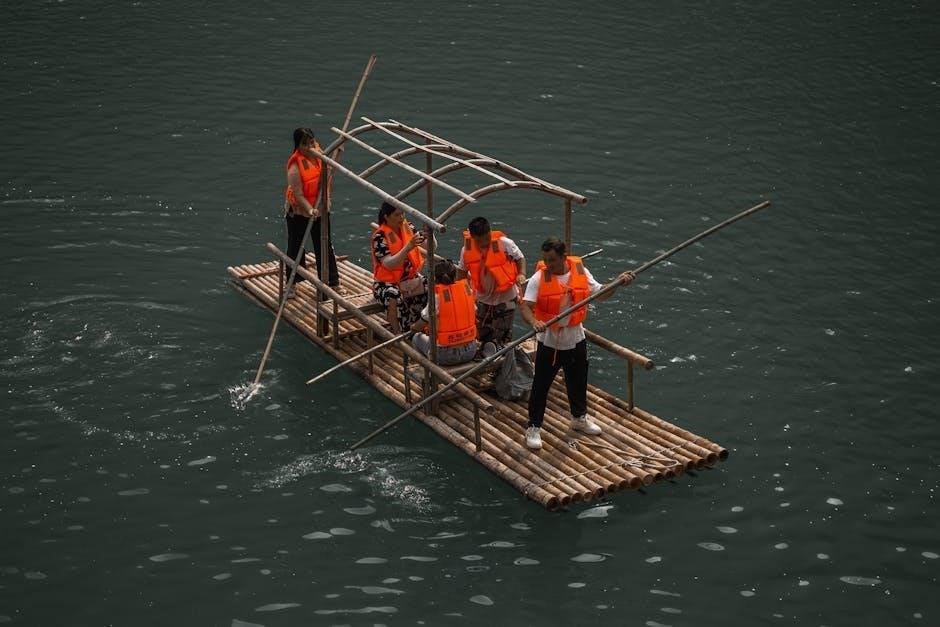
The future of raft construction increasingly focuses on environmentally responsible options. Designers are exploring alternatives to traditional PVC, such as recycled plastics and bio-based polymers, reducing the environmental footprint. Utilizing durable, renewable resources like bamboo for decking and frames is gaining traction. These materials minimize pollution during production and offer biodegradability at the raft’s end-of-life.
Prioritizing sustainable sourcing ensures responsible forestry practices and supports local economies. This shift aligns with growing eco-tourism demands and promotes conservation efforts.
Innovative Stability Systems
Modern raft design is pushing boundaries with advanced stability features. Beyond traditional pontoon shapes, designers are experimenting with hydrofoil-assisted hulls to enhance lift and reduce drag, improving stability in turbulent waters. Internal ballast systems, adjustable during the journey, allow guides to fine-tune balance based on load distribution and river conditions.
Computer-aided design and testing optimize hull geometry for maximum roll resistance, ensuring a safer and more comfortable experience for all passengers.