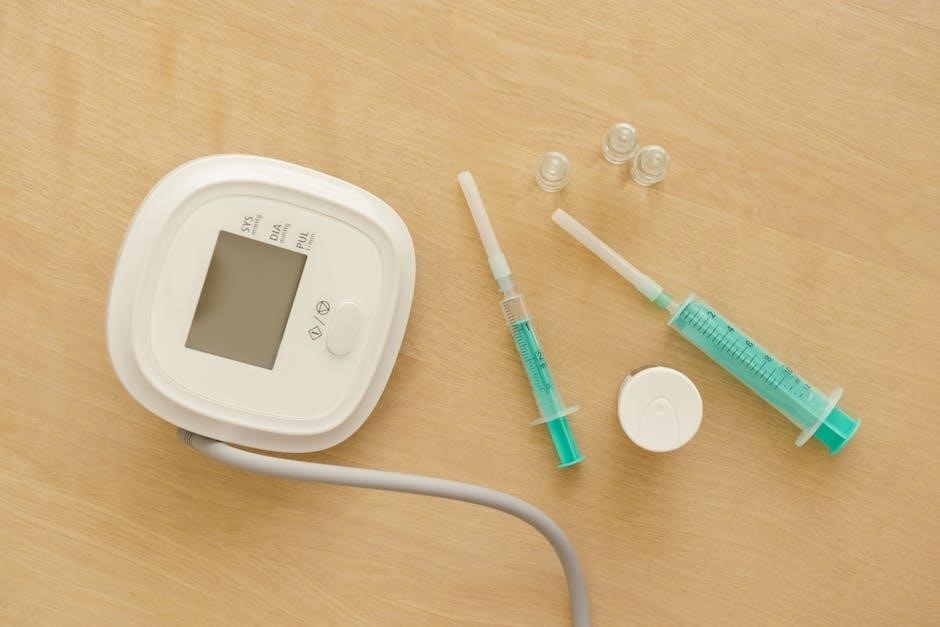
Omron Blood Pressure Monitor Manual: A Comprehensive Guide

This manual provides essential guidance for Omron blood pressure monitors like the M2 Plus, M6, and i-Q132, ensuring accurate home monitoring and understanding of hypertension.

Understanding Your Omron Monitor
Omron blood pressure monitors, such as the M2 Plus, M6, and i-Q132, utilize oscillometric principles for automated measurements. These devices are designed for convenient home use, enabling regular tracking of cardiovascular health. Familiarizing yourself with your specific model – noting its features and display – is crucial. Understanding the components, including the cuff and display panel, will enhance your monitoring experience. Proper operation, as detailed in the instruction manual, ensures reliable readings and supports proactive health management.
Model Variations & Common Features
Omron offers a range of upper arm blood pressure monitors, including the M2 Plus, M6, and i-Q132, each with unique features. Commonalities include automatic inflation/deflation, digital displays showing systolic/diastolic values and pulse rate, and memory storage for tracking readings. Intellisense technology, found in models like the i-Q132, optimizes inflation for comfort. Variations lie in features like cuff fit guides, multiple user profiles, and connectivity options for data management, catering to diverse user needs.
Setting Up Your Omron Blood Pressure Monitor
Proper setup is crucial for accurate readings. Begin with battery installation, ensuring correct polarity. Next, select the appropriate cuff size for your arm circumference – a proper fit is essential. Familiarize yourself with the monitor’s components and button functions. Before first use, it’s recommended to review the instruction manual specific to your Omron model (M2 Plus, M6, etc.) to understand its unique features and operational guidelines.
Initial Setup & Battery Installation
Begin by opening the battery compartment, typically located on the side or back of the monitor. Insert the batteries, paying close attention to the polarity markings (+ and -) inside the compartment. Ensure batteries are securely in place. The display should illuminate briefly, confirming power. If not, double-check battery orientation. Refer to your model’s manual (M2 Plus, M6) for specific battery type recommendations and proper installation procedures.
Cuff Selection and Proper Fit
Choosing the correct cuff size is crucial for accurate readings. Omron monitors often include standard cuffs, but larger or smaller sizes may be needed. Measure your arm circumference to determine the appropriate size. The cuff should fit snugly around your upper arm, with about one finger’s width of space between the cuff and your elbow. Avoid applying the cuff over clothing; bare skin is recommended for optimal performance, ensuring reliable measurements.
Taking Accurate Blood Pressure Measurements

Consistent and correct technique is vital for reliable results. Before each measurement, rest for five minutes in a quiet room. Proper positioning – seated with back supported and feet flat – is essential. Ensure the cuff is applied correctly, as detailed previously. Avoid talking or moving during inflation and deflation. Multiple readings, spaced apart, provide a more comprehensive assessment of your blood pressure levels.
Proper Positioning & Arm Placement
Achieving accurate readings begins with correct body positioning. Sit comfortably with your back supported and feet flat on the floor – avoid crossing your legs. Your arm should be supported at heart level, ideally on a table. The cuff should be placed on your upper arm, approximately one inch above the elbow.
Measurement Procedure – Step-by-Step
Follow these steps for reliable results. Power on the monitor and ensure the cuff is correctly positioned. Remain still and quiet during inflation. The monitor will automatically inflate and then deflate, displaying your blood pressure and pulse rate. Press the air release button if needed to fully deflate the cuff. Record your readings for tracking and review.
Interpreting Your Blood Pressure Readings
Understanding your numbers is crucial for health management. Systolic pressure, the top number, reflects pressure during heartbeats. Diastolic, the bottom number, indicates pressure between beats. Pulse rate measures heartbeats per minute. Recent guidelines suggest home readings can help assess hypertension. Consistent monitoring allows for informed discussions with your healthcare provider regarding potential concerns.
Systolic and Diastolic Values Explained
These values define your blood pressure. Systolic pressure represents the force when your heart beats, pushing blood through arteries. Higher numbers indicate greater force. Diastolic pressure measures the force in arteries when your heart rests between beats. Understanding both is vital; elevated readings in either suggest potential cardiovascular risks. Regular monitoring provides valuable insights.
Understanding Pulse Rate
Your pulse rate, measured in beats per minute (BPM), reflects how many times your heart beats. Omron monitors display this alongside blood pressure readings. A normal resting rate typically falls between 60-100 BPM, though it varies based on fitness level and other factors. Significant deviations from your usual rate should be discussed with a healthcare professional for proper evaluation and guidance.
Memory Function & Data Review
Omron blood pressure monitors conveniently store readings for tracking trends over time. This allows for easy recall of your blood pressure history, aiding in monitoring effectiveness of lifestyle changes or medication. Many models support multiple user profiles, enabling family members to track individual data separately. Regularly reviewing stored data provides valuable insights for managing cardiovascular health effectively.
Storing Readings & Recall History
Omron monitors automatically save blood pressure and pulse rate values with date and time stamps. Accessing this history is simple, allowing you to review past measurements and identify patterns. The capacity varies by model, ensuring ample storage for consistent monitoring. Regularly checking your recall history empowers you and your healthcare provider to make informed decisions about your health.
Multiple User Profiles
Many Omron blood pressure monitors support multiple user profiles, ideal for families or individuals tracking data for different users. Each profile stores independent readings, preventing data mixing and ensuring personalized health insights. Easily switch between profiles before each measurement to maintain accurate records for everyone. This feature streamlines tracking and facilitates comprehensive health management within a household.
Troubleshooting Common Issues
Encountering problems? This section addresses frequent concerns with your Omron monitor. Common issues include error messages – consult the manual for specific meanings – and difficulties with cuff inflation or deflation. Ensure proper cuff placement and battery function. If problems persist, review the manual’s troubleshooting guide or contact Omron support for assistance. Addressing these issues promptly ensures accurate readings and continued reliable performance.
Error Messages & Their Meanings
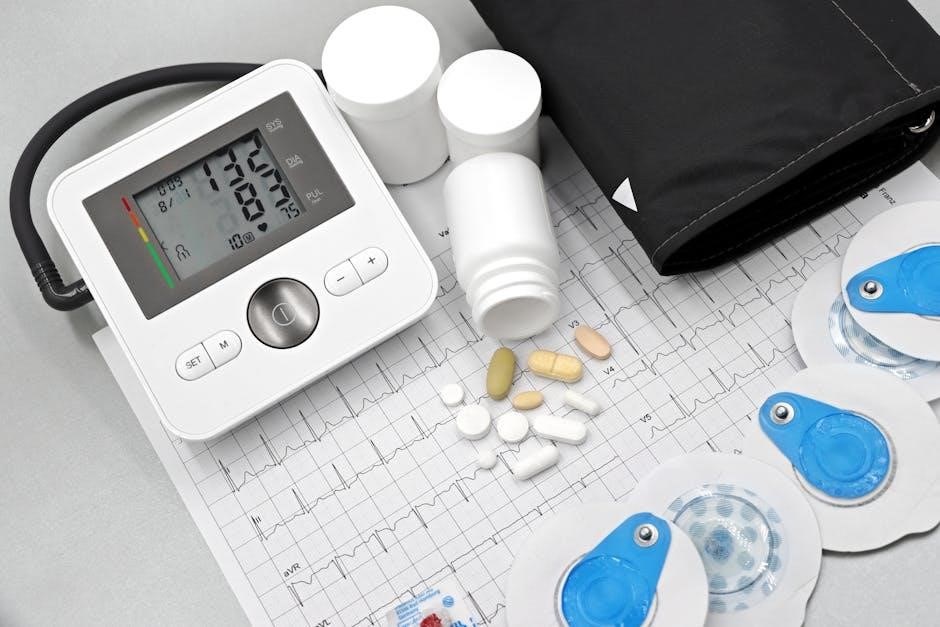
Omron monitors utilize error messages to indicate potential issues. These signals require immediate attention for accurate readings. Common errors relate to movement during measurement, a poorly fitted cuff, or low battery power. The manual details each error code and provides specific troubleshooting steps. Ignoring these messages can lead to inaccurate blood pressure data, hindering effective health management and monitoring.
Cuff Inflation/Deflation Problems
Issues with cuff inflation or deflation can compromise measurement accuracy. If the cuff doesn’t inflate fully, check the tubing connection and ensure it’s not kinked. Slow deflation might indicate a system malfunction or low battery. Pressing the air release button should allow controlled deflation; failure to do so warrants review of the manual. Consistent problems necessitate contacting Omron support for assistance and potential repair.
Maintaining Your Omron Monitor
Proper maintenance ensures the longevity and accuracy of your Omron device. Regularly clean the monitor and cuff with a soft, damp cloth – avoid harsh chemicals. Store the monitor in a cool, dry place, protected from extreme temperatures and humidity. Replace batteries as needed, following the guidelines in the manual to prevent inaccurate readings. Omron Healthcare prioritizes quality control in manufacturing.
Cleaning & Storage Instructions
To maintain optimal performance, gently clean your Omron monitor with a soft, damp cloth. Avoid using harsh detergents or abrasive cleaners, as these can damage the device. Store the monitor in a cool, dry location, away from direct sunlight and extreme temperatures. Ensure the cuff is also clean and dry before storage to prevent mildew. Proper care extends the lifespan of your monitor.
Battery Replacement Guidelines
Always use new batteries of the specified type when replacing them in your Omron monitor. Avoid mixing old and new batteries, or different battery types. Ensure correct polarity during installation, following the markings inside the battery compartment. Dispose of used batteries responsibly, according to local regulations. Low battery indicators signal the need for replacement to maintain accurate readings.
Understanding Hypertension & Home Monitoring
Hypertension, or high blood pressure, often presents without noticeable symptoms, making regular home monitoring crucial. Recent guidelines suggest using specific values as a guide for home readings, as highlighted in available resources. Consistent monitoring empowers individuals to proactively manage their cardiovascular health and identify potential issues early, reinforcing a commitment to preventative care.
High Blood Pressure Guidelines (Home Readings)
Recent research indicates specific values can guide high blood pressure assessment from home measurements. While individual targets vary, consistent monitoring with an Omron device allows for personalized insights. Understanding these guidelines, alongside professional medical advice, is vital for effective management. Regular home readings empower proactive health decisions and early detection of potential cardiovascular risks.
The Importance of Regular Monitoring
Consistent blood pressure tracking with your Omron monitor is crucial, especially given hypertension often presents without noticeable symptoms. Home monitoring empowers individuals to proactively manage their cardiovascular health, identifying trends and potential issues early. Regular readings provide valuable data for healthcare professionals, enabling informed treatment adjustments and improved overall well-being. It’s a key component of preventative care.
Omron Intellisense Technology
Omron’s Intellisense technology represents a significant advancement in automatic blood pressure monitoring. This system intelligently adjusts cuff inflation levels based on individual needs, minimizing discomfort and ensuring accurate readings. By eliminating unnecessary pressure, Intellisense provides a more personalized and efficient measurement experience. It’s featured in models like the i-Q132, enhancing user comfort and data reliability.

How Intellisense Works
Intellisense operates on the oscillometric principle, detecting blood flow changes within the artery during cuff inflation. Unlike conventional methods, it doesn’t pre-set a fixed inflation pressure. Instead, it starts with a low inflation and adapts based on the user’s unique physiology. This dynamic adjustment ensures optimal cuff pressure for accurate systolic and diastolic readings, reducing repeated inflation and maximizing user comfort during each measurement.
Benefits of Intellisense

Omron’s Intellisense technology delivers several key advantages for home blood pressure monitoring. It minimizes discomfort by avoiding unnecessary strong inflation, making measurements more tolerable. The adaptive system enhances accuracy, particularly for individuals with irregular heartbeats or sensitive arteries. This personalized approach contributes to reliable data, supporting effective hypertension management and proactive cardiovascular health monitoring for consistent results.
European Standard EN1060 Compliance
Omron blood pressure monitors, such as the i-Q132, are designed and validated according to the stringent European Standard EN1060. This certification, encompassing both Part 1 (General Requirements) and Part 3, signifies a commitment to clinical accuracy and reliability. Compliance ensures the device meets rigorous performance criteria, providing users with trustworthy blood pressure measurements for effective health management and peace of mind.
What EN1060 Certification Means
EN1060 certification for Omron blood pressure monitors guarantees adherence to internationally recognized standards for non-invasive sphygmomanometers. This validation process involves rigorous testing of clinical performance, ensuring accuracy comparable to that of trained healthcare professionals. It confirms the device’s reliability in measuring blood pressure, providing confidence in home monitoring results and supporting informed healthcare decisions for users seeking proactive health management.
Omron Healthcare Quality Standards
Omron Healthcare prioritizes stringent quality control throughout the manufacturing process of its blood pressure monitors. Produced under a strict quality system in Japan, each device undergoes meticulous inspection to ensure reliability and accuracy. This commitment extends from initial design and component sourcing to final product testing, guaranteeing consistent performance and adherence to global healthcare standards for user well-being and peace of mind.
Manufacturing & Quality Control
Omron Healthcare’s dedication to quality begins with advanced manufacturing techniques in Japan. Rigorous quality control measures are implemented at every stage, from component selection to final assembly and testing. These processes ensure each blood pressure monitor meets precise specifications and delivers consistently accurate readings. This meticulous approach guarantees a reliable product, adhering to strict healthcare standards and providing users with trustworthy health data.
Resources & Further Information
For comprehensive support and expanded knowledge, explore Omron Healthcare’s official website for detailed FAQs, troubleshooting guides, and additional resources. The American Heart Association provides valuable information on hypertension and cardiovascular health. Stay informed about managing blood pressure through reputable sources like Hearst Magazines and Yahoo Health. Regular monitoring, guided by this manual, empowers proactive health management.