Dyson V8 Cordless Vacuum Manual: A Comprehensive Guide
This detailed manual simplifies complex concepts, offering easy-to-follow steps for understanding your new Dyson V8 cordless vacuum, ensuring optimal performance and longevity.
The Dyson V8 cordless vacuum represents a significant leap in cleaning technology, offering powerful suction and convenient cordless freedom. This guide serves as your comprehensive resource for maximizing the potential of your new cleaning companion. Designed for versatility, the V8 tackles various floor types and surfaces with ease, from hardwood floors to deep-pile carpets.
Understanding its features and proper maintenance will ensure years of reliable performance. This manual breaks down complex operations into manageable steps, making it accessible for all users. We’ll cover everything from initial setup and operation to troubleshooting common issues, empowering you to maintain a consistently clean home effortlessly. Prepare to experience a new standard in cordless cleaning!
Unboxing and Component Overview
Upon unboxing your Dyson V8, carefully inspect the contents. You should find the main body of the vacuum, the wand, a cleaner head (either Direct Drive or Soft Roller, depending on your model), and a selection of attachments. These typically include a crevice tool, a combination tool, and a mini motorized tool for upholstery and pet hair.
Also included is the charger, and potentially a docking station for convenient storage and charging. Familiarize yourself with each component – the bin release mechanism, the power button, and the Max mode trigger. Refer to the quick-start guide for a visual representation of all parts. Ensuring all components are present before proceeding will streamline the assembly process and guarantee a complete cleaning experience.
Assembling Your Dyson V8
Assembling your Dyson V8 is a straightforward process. Begin by firmly pushing the desired cleaner head onto the wand until it clicks securely into place. Next, attach the wand to the main body of the vacuum, again ensuring a distinct click confirms a solid connection. The attachments easily slide onto either the wand or directly onto the main body, depending on your cleaning needs.
Verify all connections are tight before use to prevent loss of suction during operation. A properly assembled Dyson V8 will feel balanced and stable. If using the docking station, simply place the assembled vacuum onto the station to initiate charging. Refer to the included diagrams for visual guidance if needed, ensuring a correct and secure assembly;

Understanding the Dyson V8 Features
Explore the innovative technology within your Dyson V8, including its powerful motor, advanced battery system, and versatile power modes for optimized cleaning performance.
Motor and Suction Power
The Dyson V8 cordless vacuum is engineered with a powerful digital motor V8, spinning up to 110,000 RPM. This advanced motor technology generates substantial suction power, effectively capturing dust, dirt, and allergens from various surfaces. Dyson’s Radial Root Cyclone™ technology maintains consistent suction throughout the cleaning process, preventing blockage and ensuring optimal performance.
Unlike vacuums that lose power as the bin fills, the V8’s cyclone design separates air and dust, channeling airflow directly to the motor. This results in a consistently strong and reliable clean, even during extended use. The motor’s efficiency also contributes to the V8’s impressive run time, allowing for thorough cleaning sessions on a single charge. Understanding the motor’s capabilities is key to maximizing your cleaning experience.
Battery Technology and Run Time
The Dyson V8 utilizes a Nickel-Cobalt-Manganese battery, providing up to 40 minutes of fade-free power. This advanced battery chemistry delivers consistent performance without the typical power drop experienced with some cordless vacuums. Run time varies depending on the power mode selected and the floor type being cleaned.
Max mode offers the strongest suction for deep cleaning but reduces run time to approximately 7 minutes. Eco mode provides a longer run time, ideal for lighter cleaning tasks. Fully charging the battery takes approximately 5.5 hours. To prolong battery life, Dyson recommends avoiding extreme temperatures and storing the vacuum with the battery detached when not in use for extended periods.
Different Power Modes (Max, Eco)
The Dyson V8 offers two primary power modes: Max and Eco, allowing you to tailor cleaning performance to the task at hand. Max mode delivers the highest suction power, perfect for ingrained dirt, pet hair, and deep cleaning carpets. However, it significantly reduces battery run time, typically to around 7 minutes.
Eco mode provides a balanced level of suction, extending the run time to up to 40 minutes. This mode is ideal for hard floors, lighter messes, and everyday cleaning. Switching between modes is simple – just press the power mode button located on the handle. Understanding these modes optimizes cleaning efficiency and battery life.
Using Your Dyson V8: Cleaning Modes & Attachments
Unlock the full potential of your Dyson V8 with versatile cleaning modes and a range of attachments for tackling diverse surfaces and spaces effectively.
Whole-Home Cleaning Mode
The Whole-Home Cleaning Mode on your Dyson V8 is designed for everyday cleaning tasks throughout your house. This mode provides a balance between power and run time, making it ideal for quick cleanups on various floor types – from hardwood and tile to low-pile carpets. It’s your go-to setting for general debris and dust removal.
To engage Whole-Home Cleaning Mode, simply press the power button once. The LCD screen will indicate the remaining run time based on the selected power setting. This mode efficiently cleans without excessively draining the battery, allowing for extended cleaning sessions. It’s perfect for maintaining a consistently clean home with minimal effort and maximum convenience. Remember to select the appropriate cleaner head for optimal results on different surfaces.
Max Mode for Deep Cleaning
Engage Max Mode on your Dyson V8 when tackling stubborn dirt, ground-in debris, or heavily soiled areas. This setting delivers the most powerful suction, driving bristles deeper into carpets and lifting embedded particles. However, be aware that Max Mode significantly reduces run time, as it demands maximum battery power.
Activate Max Mode by pressing the power button twice. The LCD screen will display a countdown timer indicating the remaining run time in Max Mode. Utilize this mode strategically for spot cleaning, high-traffic zones, or areas requiring intense cleaning. It’s particularly effective on pet hair and deep-down dust. Remember to switch back to Whole-Home Cleaning Mode for general upkeep to conserve battery life.
Mini Motorized Tool for Upholstery
The Mini Motorized Tool is specifically designed for effective cleaning of upholstery, mattresses, and car interiors. Its rotating brush bar agitates fibers, loosening dust, pet hair, and allergens embedded within fabrics. This tool is ideal for removing debris from sofas, armchairs, and other upholstered furniture.
To use, simply attach the Mini Motorized Tool to your Dyson V8 wand. Gently glide the tool across the surface, applying light pressure. The nylon bristles will effectively lift dirt without damaging delicate fabrics. Regularly check and remove any hair or fibers wrapped around the brush bar to maintain optimal performance. This attachment provides targeted cleaning for smaller, fabric-covered areas.
Crevice Tool for Tight Spaces
The Crevice Tool is your solution for reaching those hard-to-access areas where dust and debris accumulate. This slender attachment excels at cleaning along edges, in narrow gaps, and between cushions. It’s perfect for detailing work around baseboards, furniture legs, and inside car interiors.
Simply attach the Crevice Tool directly to your Dyson V8 wand or extension hose. Apply focused suction to effectively remove dust, crumbs, and pet hair from tight spaces. Its long, narrow design allows for precise cleaning in areas that standard cleaner heads can’t reach. Regularly inspect the tool for blockages and clear any obstructions to maintain optimal suction power. This tool is essential for a truly thorough clean.
Combination Tool for Versatile Cleaning
The Combination Tool offers exceptional versatility, functioning as both a brush and a crevice tool in one convenient attachment. Its brush component is ideal for gently dusting delicate surfaces like lampshades, shelves, and window sills, preventing scratches and damage. Simply slide the brush outwards for gentle dusting.
When retracted, the tool transforms into a crevice tool, perfect for cleaning edges, corners, and tight spaces. This dual functionality eliminates the need to switch attachments frequently, streamlining your cleaning process. Attach it directly to the wand for extended reach. Regularly check and remove any accumulated hair or debris from the brush head to maintain its effectiveness. It’s a truly adaptable cleaning solution.
Direct Drive Cleaner Head – Carpets
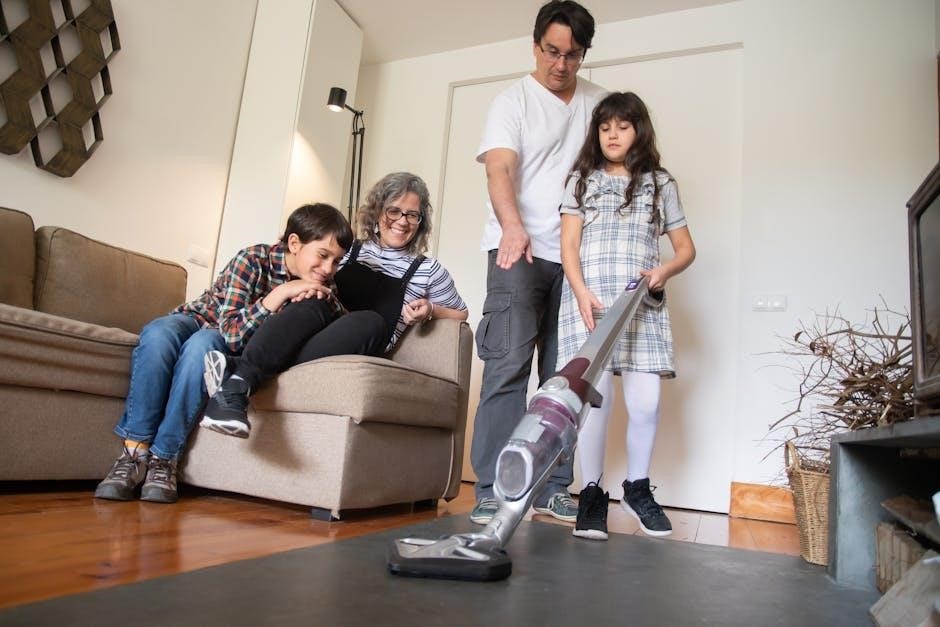
The Direct Drive Cleaner Head is specifically engineered for powerful carpet cleaning. Its stiff nylon bristles drive deep into carpet piles, effectively agitating and removing ground-in dirt, dust, and debris. The direct-drive motor located within the cleaner head provides consistent power directly to the brush bar, ensuring optimal performance even on thicker carpets.
This head is particularly effective on high-traffic areas and pet hair. Regularly check the brush bar for tangled hair and obstructions to maintain suction and cleaning efficiency. Ensure the cleaner head is properly attached to the wand for a secure connection. For best results, use a slow, deliberate pushing motion, allowing the bristles to work their magic.
Soft Roller Cleaner Head – Hard Floors
The Soft Roller cleaner head is designed for delicate hard floors, such as hardwood, tile, and laminate. Unlike traditional cleaner heads, it features a uniquely soft, woven nylon roller that gently captures dust and debris without causing scratches or damage. This roller effectively picks up both large particles and fine dust simultaneously.
It’s ideal for homes with pets or children, minimizing the risk of scattering debris. Regularly inspect the roller for wrapped hair or fibers. The head’s low profile allows it to reach under furniture easily. For optimal results, use a smooth, consistent pushing motion, letting the soft roller do the work, preserving your floor’s shine.
Maintenance and Care
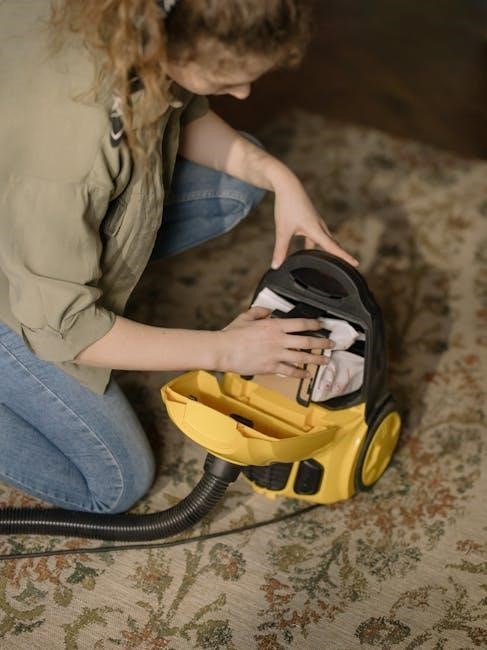
Regular upkeep ensures peak performance of your Dyson V8. This section details essential tasks like bin emptying, filter washing, and blockage checks for longevity.
Emptying the Bin
Regularly emptying the bin is crucial for maintaining optimal suction power with your Dyson V8. To empty, detach the bin from the main body of the vacuum by pressing the red bin release lever. Hold the vacuum over a dustbin and slide the bin downwards, ensuring the dust and debris fall out without contacting you.
Avoid overfilling the bin, as this can reduce performance. For stubborn debris, you may need to gently tap the bin. Once emptied, reattach the bin firmly until it clicks into place. It’s recommended to empty the bin after each use, or more frequently if dealing with particularly dusty environments. A full bin significantly impacts cleaning efficiency, so consistent emptying is key.
Washing the Filter
Maintaining a clean filter is vital for sustaining your Dyson V8’s suction and performance. The filter should be washed approximately once a month, or more often if used frequently. Remove the filter by twisting it counterclockwise from the vacuum’s body. Rinse the filter under cold water until the water runs clear – do not use detergents.
After washing, allow the filter to air dry completely for at least 24 hours before reinstalling it. Using a damp filter can damage the motor. Ensure the filter is fully dry before twisting it clockwise back into place. A clean filter ensures optimal airflow and prevents premature motor wear, extending the life of your Dyson V8.
Checking for Blockages
Regularly checking for blockages is crucial for maintaining optimal suction power in your Dyson V8. Begin by turning off the vacuum and disconnecting it from the charger. Inspect the wand, hose, and cleaner head for any obstructions like hair, dust, or larger debris. Remove the bin and check the inlet for blockages as well.
If a blockage is found, carefully remove it – avoid using sharp objects that could damage the components. For stubborn blockages, detach the components and use a long, flexible tool to dislodge the obstruction. A clear airway ensures efficient cleaning and prevents the motor from overheating, prolonging your Dyson V8’s lifespan.
Cleaning the Brush Bar
Maintaining a clean brush bar is essential for effective floor cleaning with your Dyson V8. Begin by disconnecting the vacuum from the charger and removing the cleaner head. Locate the brush bar and carefully remove it, following the instructions in your user manual.
Remove any tangled hair, fibers, or debris wrapped around the brush bar. Scissors can be used cautiously, avoiding damage to the bristles. Wipe the brush bar clean with a dry cloth. Reinstall the brush bar into the cleaner head, ensuring it clicks securely into place. A clean brush bar maximizes agitation and pickup performance, keeping your floors spotless.
Troubleshooting Common Issues
Resolve typical Dyson V8 problems quickly! This section provides solutions for loss of suction, charging difficulties, overheating, and brush bar malfunctions.
Loss of Suction
Experiencing reduced suction with your Dyson V8? Several factors could be at play. First, empty the bin – a full bin significantly restricts airflow. Next, check the filter; a clogged filter is a common culprit. Rinse it thoroughly under cold water and allow it to dry completely (approximately 24 hours) before reinstalling.
Furthermore, inspect the wand, hose, and cyclones for any blockages. Detach these components and carefully remove any debris you find. A blockage in any part of the airflow path will diminish suction power. Finally, examine the brush bar for tangled hair or fibers, as these can also impede performance. Regular maintenance prevents these issues, ensuring your Dyson V8 maintains optimal suction.
Battery Not Charging
If your Dyson V8 battery isn’t charging, begin by verifying the charger and wall outlet are functioning correctly. Try a different outlet to rule out an electrical issue. Ensure the charger is securely connected to both the vacuum and the power source. Inspect the charger cable for any visible damage, like fraying or breaks.
Next, confirm the battery is properly seated in the vacuum. A loose connection can prevent charging. If the issue persists, the battery may be overheating or too cold; allow it to reach room temperature. If none of these steps resolve the problem, the battery itself might be faulty and require replacement. Contact Dyson support for assistance.
Vacuum Overheating
If your Dyson V8 is overheating, immediately stop using it and allow it to cool down completely. Overheating often occurs due to blocked airways, restricting airflow and causing the motor to work harder. Thoroughly check for blockages in the wand, bin, and brush bar – emptying the bin is crucial.
Ensure the filter is clean, as a clogged filter significantly reduces airflow. Avoid using the vacuum in Max mode for extended periods, as this generates more heat. If overheating continues after addressing these issues, the motor may be experiencing a problem, and you should contact Dyson customer support for repair or replacement options.
Brush Bar Not Spinning
If the brush bar on your Dyson V8 isn’t spinning, first power off the vacuum and disconnect it from the charger. Check for hair, fibers, or debris wrapped around the brush bar – this is the most common cause; Carefully remove any obstructions using scissors or the detangling tool provided.
Inspect the brush bar motor for any visible damage. Ensure the cleaner head is correctly attached and isn’t blocked. A full bin can also prevent the brush bar from spinning effectively, so empty it. If the issue persists, there might be a fault with the brush bar motor itself, requiring professional repair or replacement by Dyson.
Dyson V8 Specifics & Variations
Explore the differences between Dyson V8 models – Absolute and Animal – and learn how to identify your vacuum using its unique serial number and model details.
Dyson V8 Absolute vs. Animal
The Dyson V8 Absolute and Animal models share the core V8 technology, offering powerful suction and cordless convenience. However, key differences lie in the included attachments, catering to specific cleaning needs. The Absolute model typically comes with a broader range of tools, including the signature Soft Roller cleaner head, designed specifically for delicate hard floors, minimizing scratching and maximizing dust pickup.
Conversely, the Animal version prioritizes pet hair removal, featuring an additional Mini Motorized tool optimized for upholstery and tight spaces where pet dander accumulates. While both models boast excellent performance on carpets, the Animal’s specialized tools make it a preferred choice for households with furry companions. Consider your flooring types and pet ownership when deciding which V8 variant best suits your cleaning requirements.
Understanding Serial Numbers & Model Identification
Locating your Dyson V8’s serial number is crucial for warranty claims, registering your product, and accessing specific support resources. The serial number is typically found on a small plate located on the motor body, often near the barcode. It’s a unique identifier for your specific unit, allowing Dyson to track manufacturing date and model variations.
Understanding the model code, alongside the serial number, helps pinpoint exact specifications. Different V8 models (Absolute, Animal, etc.) have distinct codes. Dyson’s website provides tools to decode these numbers, confirming your model’s features and ensuring you receive the correct replacement parts or software updates. Keeping this information readily available streamlines any service or support interactions.
Safety Precautions
Always prioritize safety when using your Dyson V8. Read all instructions carefully before operation, and adhere to battery safety guidelines to prevent damage or injury.
Important Safety Warnings
Before utilizing your Dyson V8, carefully review these crucial safety warnings. This appliance is intended for household use only and should not be used for commercial purposes. Never operate the vacuum with a damaged cord or plug. Avoid using it outdoors or on wet surfaces.
Keep hair, loose clothing, fingers, and all body parts away from moving parts. Do not use the vacuum to pick up flammable liquids, gases, or hazardous materials. Always disconnect the vacuum from the power source before performing any maintenance or troubleshooting.
Never point the wand at people or pets while the vacuum is in operation. Ensure the filter is properly installed before each use to prevent motor damage. Misuse can result in electric shock or injury. Store your Dyson V8 in a dry, safe location.
Battery Safety Guidelines
To maximize the lifespan and ensure safe operation of your Dyson V8’s battery, adhere to these guidelines. Only use the provided Dyson charger; using third-party chargers may damage the battery and void the warranty. Avoid extreme temperatures – do not charge or store the vacuum in direct sunlight or freezing conditions.
Regularly check the battery for any signs of damage, such as cracks or leaks. If damage is detected, discontinue use immediately and contact Dyson support. Optimal battery performance is achieved through frequent, complete charge cycles.
Do not incinerate the battery, even if it is completely discharged. Dispose of the battery responsibly according to local regulations for lithium-ion batteries. Prolonged storage without charging can cause the battery to degrade; charge it periodically.